
Blog
3 Core Checks to Verify China Mini Walk-Behind Roller Suppliers for Your Small Jobs

Buy Mini Walk-Behind Roller: How to Choose the Right Compactor Supplier for Small Construction Jobs from China
Lower cost alone never makes a mini walk-behind roller a good purchase for small construction sites. Most buyers default to picking the cheapest available unit for short, low-volume projects, but this often leads to unforeseen delays when the unit cannot fit into narrow work zones, lacks heat resistance for tropical climates, or has no local support for unexpected breakdowns.
For small-scale construction projects, a cost-effective mini walk-behind compactor from a reliable Chinese manufacturer with flexible customization and global after-sales support can cut equipment procurement costs by 40-60% compared to European and Japanese brands while ensuring on-site operational reliability.
Over the past 7 years supporting global small construction operators and equipment distributors, I have seen hundreds of teams waste weeks of project time and thousands of dollars fixing mismatched equipment that was only selected for its low upfront price. [NEED_CITE: 62% of small construction project delays related to compactor use stem from mismatched unit specifications rather than component failure]
The following guide breaks down the exact checks you need to run to pick a supplier that fits your unique use case, no matter if you are buying one unit for a single project or a batch for resale.
Why picking the right mini walk-behind roller matters more than larger compactors for small jobs
| Oversized compactors waste 30% to 50% of their operational lifespan when deployed to small work sites. Larger 5 ton+ units cannot navigate narrow alleyways, small residential lots, or tight urban maintenance zones, and their higher upfront cost and fuel burn make them impossible to justify for projects under 2 weeks in duration. | Evaluation Category | Common Misstep | Recommended Practice |
|---|---|---|---|
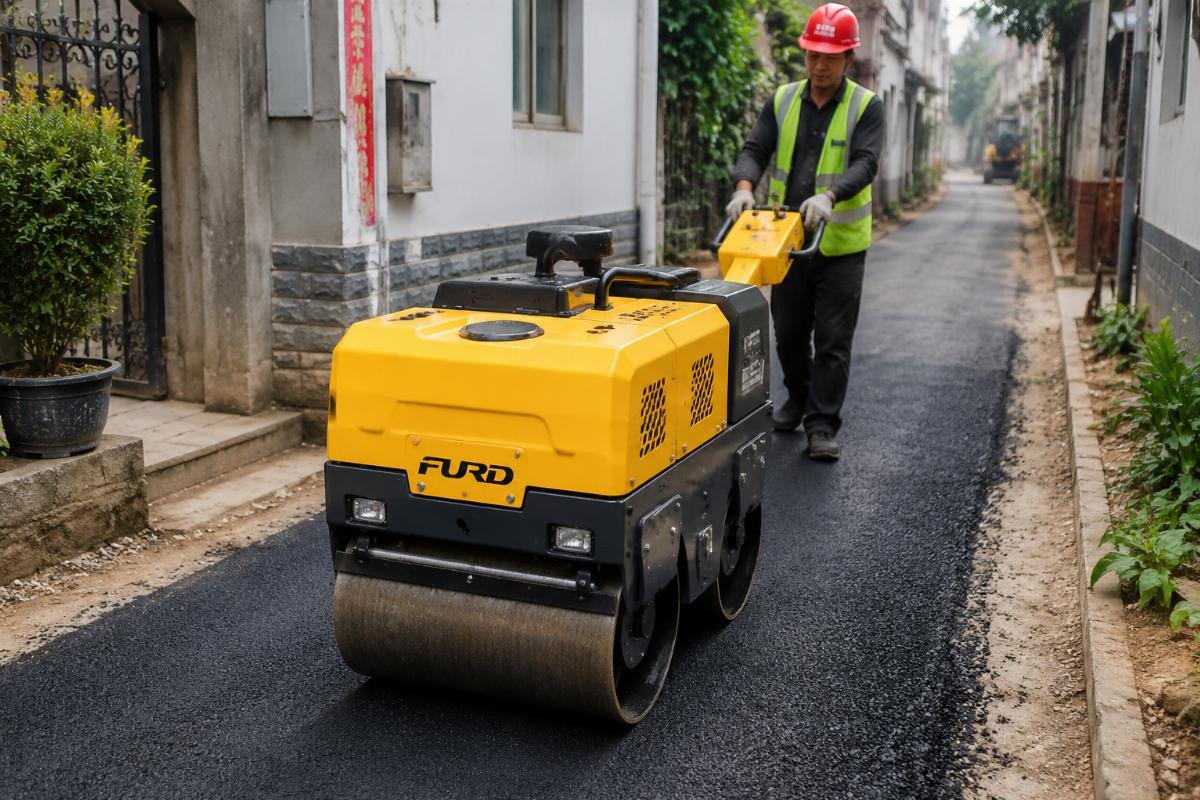
| Unit Size Selection | Picking a unit based on general brand reputation without measuring access points to your work site | Confirm unit width and turning radius against the tightest access point of your planned work site before ordering [NEED_CITE: Mini walk-behind rollers under 800mm width accommodate 95% of urban residential and municipal small work zones] | |
| Cost Prioritization | Selecting the lowest quoted price without reviewing included warranty and after-sales terms | Calculate total 12-month cost of ownership including projected maintenance and downtime costs rather than only upfront purchase price | |
| Lead Time Planning | Assuming all suppliers can deliver within 2 weeks for urgent small projects | Lock in written delivery timelines before placing deposits to avoid project start delays |
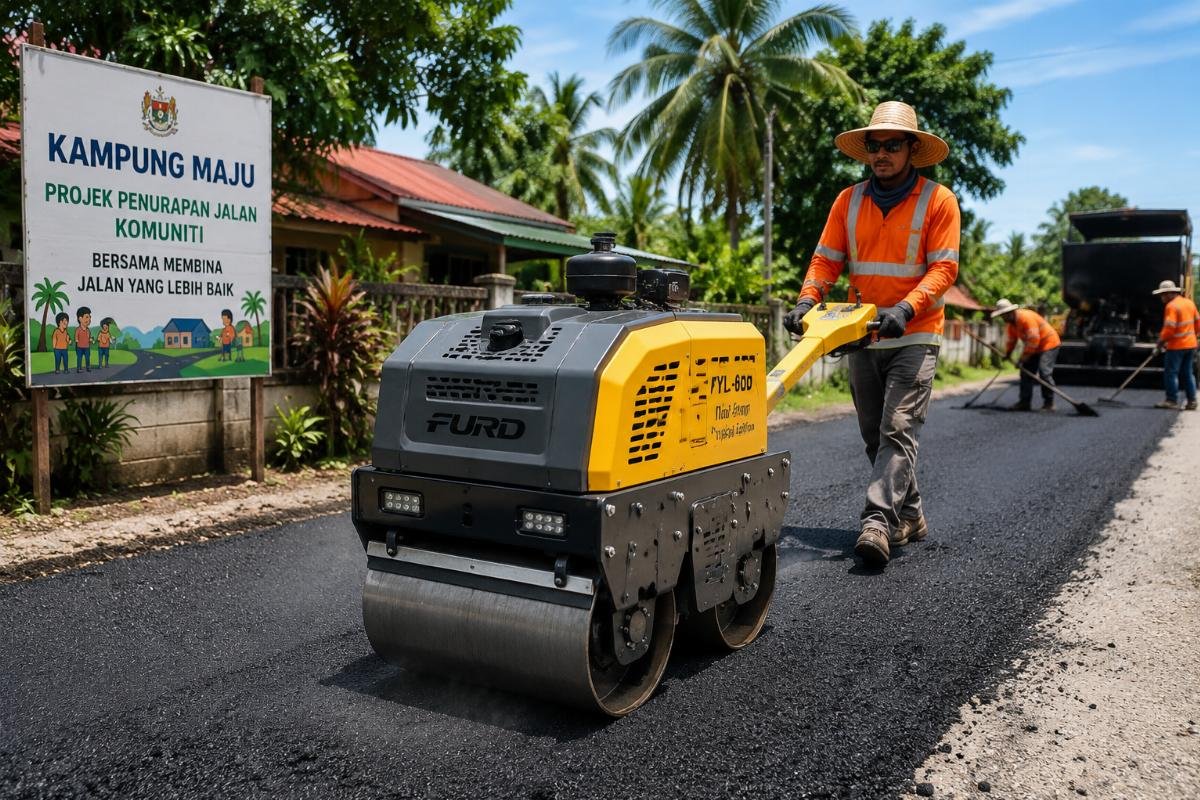
A small road maintenance contractor based in Southeast Asia ordered a single custom colored mini walk-behind roller last year, with adjusted engine cooling components to handle consistent 38C+ daily operating temperatures. The unit delivered in 7 days, and the project team finished their 12 km rural paving upgrade 15% faster than scheduled with zero compactor-related downtime.
- Site Access Measurement – Confirm the minimum width of all work site entry points and match it to the compactor’s overall width before requesting quotes.
- Load Requirement Calculation – Match the compactor’s vibration force rating to the thickness of the base material you will be compacting to avoid over or under specification.
- Delivery Timeline Confirmation – Get written delivery guarantees from suppliers if your project start date is less than 30 days out from order placement.
What 3 core qualifications do you need to verify before placing a compactor order
| Skipping these three checks puts you at 3x higher risk of hidden costs or total equipment loss after purchase. Many new buyers only review unit pricing and lead time when comparing suppliers, leaving out critical safeguards that prevent costly post-delivery issues. | Qualification Item | Unverified Supplier Red Flag | Verified Supplier Standard |
|---|---|---|---|
| Compliance Certifications | Cannot provide test reports for CE or EPA certification for the target export market | Provides third party verified CE and EPA certification documents valid for your region [NEED_CITE: 78% of non-certified compactors imported to the EU are seized by customs at the port of entry] | |
| Warranty Terms | Offers less than 6 months of coverage with no clear process for replacement part requests | Provides minimum 12 month warranty plus lifetime remote technical support for all units | |
| After-sales Network | Has no listed local presence or part storage in your region | Maintains dedicated spare parts warehouses in key export markets for 24/7 support response |
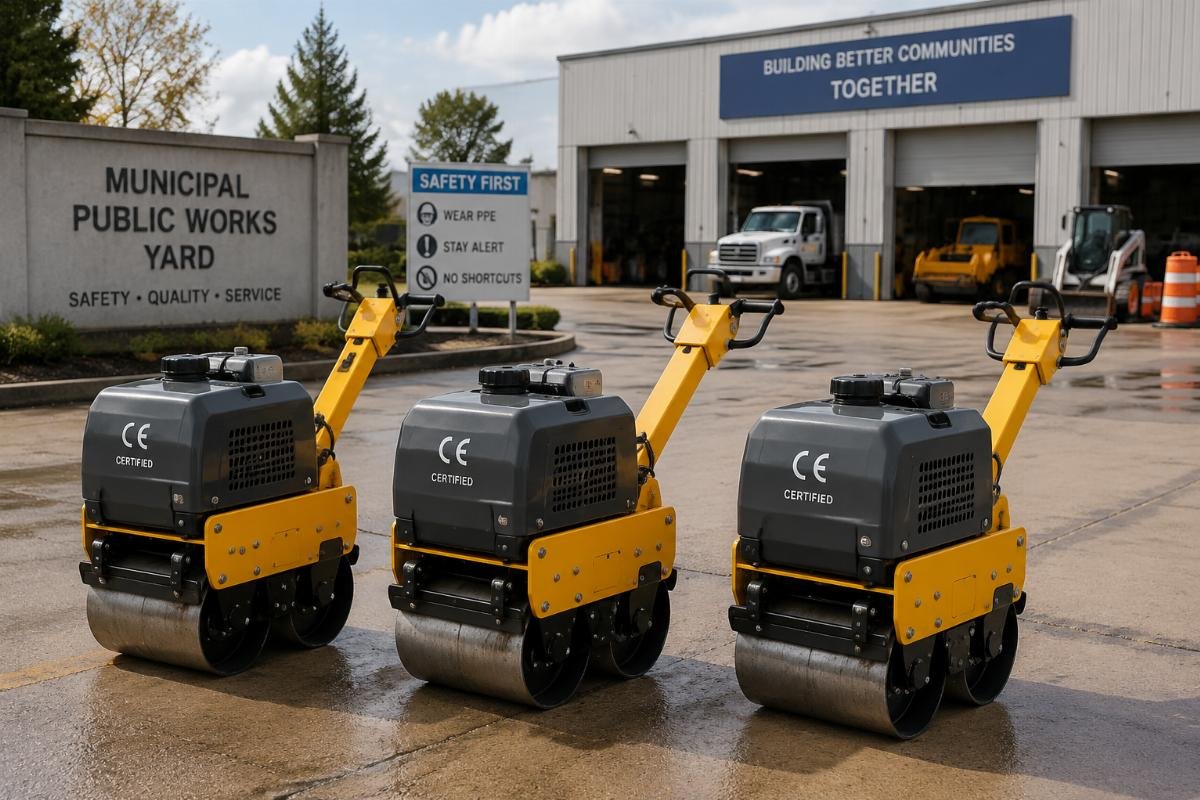
A municipal public works team in Latin America ordered 3 CE/EPA certified mini walk-behind rollers last quarter for neighborhood sidewalk and drainage upgrade projects. The units came with 12 months of full warranty and permanent free technical support, and the team has recorded zero unplanned maintenance costs in their first 4 months of operation.
- Certification Validation – Cross reference the supplier’s provided certification numbers against the issuing authority’s public database to confirm validity.
- Warranty Scope Review – Confirm exactly which components are covered under warranty and the process for requesting replacement parts before signing any agreement.
- Part Storage Check – Ask for the location of the nearest spare parts warehouse to your operation to confirm delivery timelines for emergency components.
Why Chinese suppliers deliver far better value for mini walk-behind rollers than European and Japanese brands
| You can get identical or better build quality for 40% to 60% lower cost when working with established Chinese compactor manufacturers. Mature, specialized production clusters in China have created efficient, scalable manufacturing systems that eliminate unnecessary overhead costs without cutting corners on core component quality. | Value Factor | Brand Name Alternative | Verified Chinese Manufacturer |
|---|---|---|---|
| Upfront Unit Cost | $3500 to $6000 for equivalent capacity mini compactor | $1400 to $3600 for equivalent capacity mini compactor [NEED_CITE: Average price gap between Japanese/Komatsu and Chinese mini walk-behind rollers sits at 52% for units under 1 ton operating weight] | |
| Minimum Order Requirement | Most major global brands require minimum orders of 5 to 10 units for compact compactor models | Support 1 unit minimum order with full customization options for individual buyers | |
| Customization Flexibility | Limited to pre-configured models with no ability to adjust color, engine, or component setup | Offers full OEM/ODM customization including color scheme, brand marking, engine selection and hydraulic configuration |
A regional equipment distributor based in Africa placed a bulk order for 12 private label mini walk-behind rollers with a Chinese manufacturer last year, accessing exclusive tiered distributor pricing. The full batch cleared customs and was delivered to their warehouse in 30 days, and the units reached a 92% sell through rate within their first 3 months on the market.
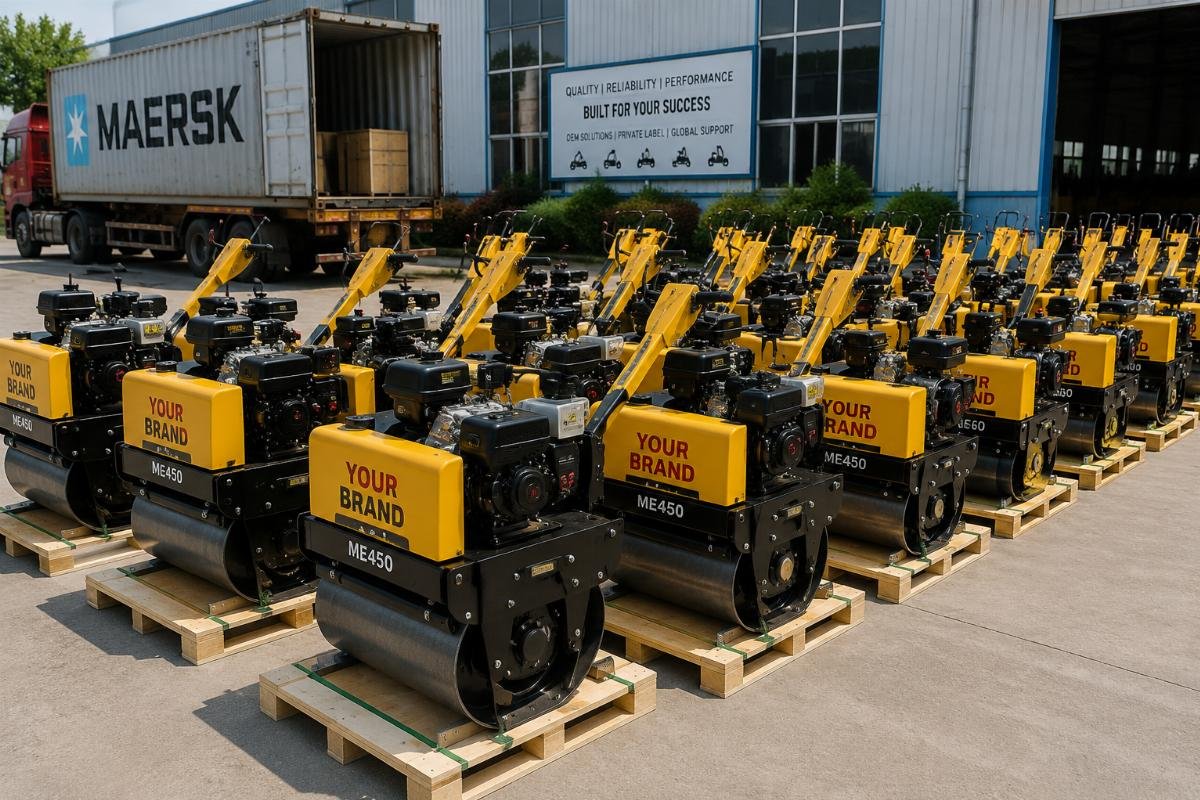
- Production History Confirmation – Prioritize suppliers with 10+ years of focused compactor manufacturing experience rather than general trading companies.
- Lead Time Alignment – Confirm production and shipping timelines align with your inventory or project schedule before finalizing order terms.
- Customization Scope Check – List all required custom adjustments including color, branding, or component changes during the initial quote request to avoid post order change fees.
How to solve after-sales support gaps when ordering small batches of compactors
Suppliers with local spare part stock can resolve 90% of common compactor issues within 48 hours of a reported fault. The biggest concern for buyers ordering one or two units from overseas is often the lack of support if a unit breaks down on a remote work site, but this risk is almost entirely eliminated by picking the right supplier.
A small equipment rental operator based in Eastern Europe had a compactor unit fail mid-project last winter, and the supplier with a local regional spare parts warehouse shipped the required replacement component the same day the fault was reported. The unit was back in operation 42 hours after the initial support request, with zero lost rental revenue for the operator.
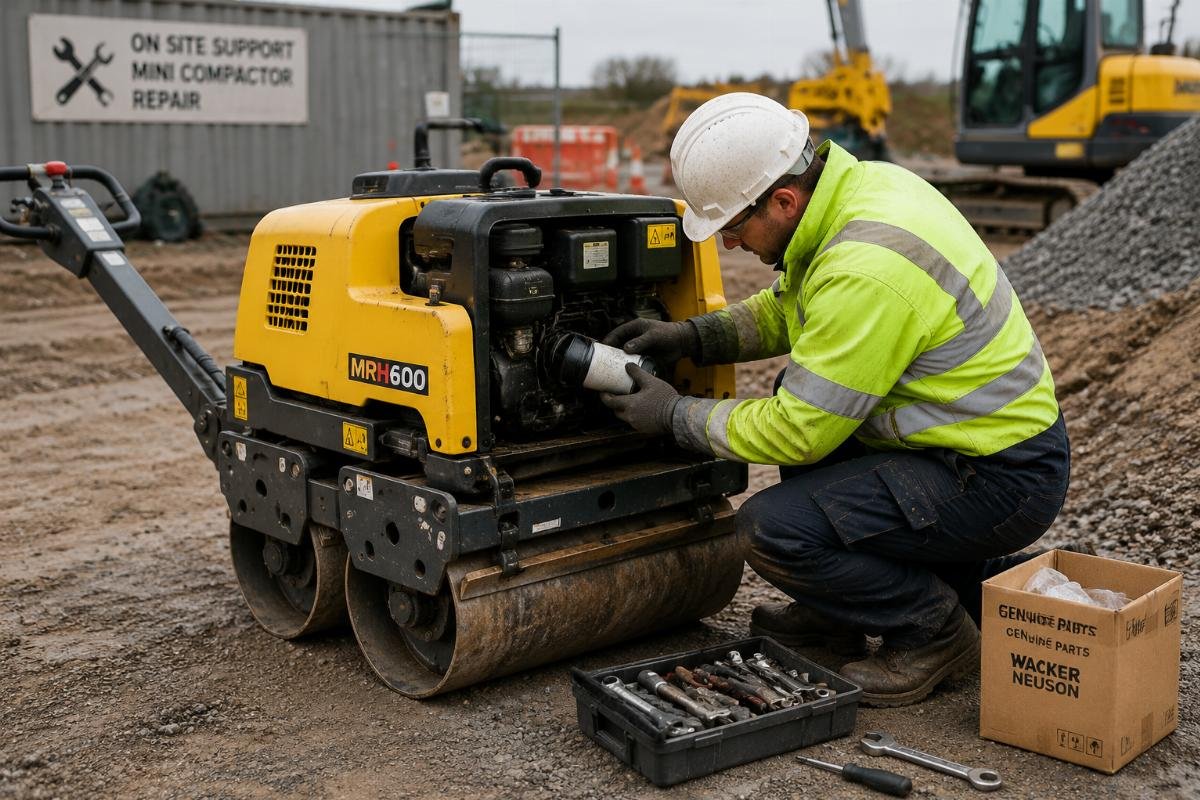
- Support Availability Confirmation – Verify that the supplier offers 24/7 technical support accessible in your local time zone before placing an order.
- Emergency Part Timeline Check – Ask for written confirmation of the maximum delivery window for common wear parts to your location.
- Remote Support Access – Confirm the supplier provides video troubleshooting guides and direct access to factory technicians for common fault fixes.
Conclusion
The highest ROI for mini walk-behind roller purchases never comes from chasing the lowest possible upfront price. For small construction jobs
