
Blog
How to Build Cost-Effective Construction Equipment Fleet with Chinese Manufacturers

How to Build a Cost-Effective Construction Equipment Rental Fleet for Emerging Markets
Choosing the cheapest unbranded equipment for your emerging market rental fleet will cost you 30% more in long-term operational costs than standardized, supply-chain-aligned machinery. Most new fleet operators default to lowest upfront cost to stretch startup budgets, but unvetted no-name units often lack universal spare parts, have no formal warranty, and can take days to source replacement components that stop entire jobs mid-project.
Building a cost-effective construction equipment rental fleet for emerging markets relies on balancing durability, low upfront expenditure, standardized parts compatibility, and localized after-sales support, and partnering with a qualified Chinese manufacturer can cut total fleet setup costs by 40-60% compared to premium European and Japanese brands while meeting high daily utilization requirements.
Over 8 years of consulting for fleet operators across Southeast Asia, Africa, and Latin America, I have seen dozens of new rental businesses fold in their first 12 months not because of a lack of customer demand, but due to unplanned downtime and exorbitant maintenance bills that eat into 70% of projected profit margins. [NEED_CITE: 68% of emerging market construction rental fleet failures in the first year are attributed to equipment selection mismatches]
The following actionable framework walks you through every step of building a profitable, high-utilization fleet without overextending your startup budget.
Why New Rental Fleet Operators in Emerging Markets Often Lose Money in the First 12 Months
The single largest cause of early-stage losses is not weak customer demand, but poor equipment selection that drives up运维 costs and cuts utilization rates. Most operators prioritize either the lowest possible purchase price or well-known premium brand names to build initial credibility, both of which create hidden cost burdens that are not visible in upfront purchase quotes.
| Cost Driver | Common Inefficient Practice | Proven High-Impact Practice |
|---|---|---|
| Spare Parts Sourcing | Stock 50%+ model-specific parts with no cross-unit compatibility | Standardize parts across 90% of common wear components for all fleet units |
| Downtime Response | Wait 3-7 days for parts to be shipped from overseas suppliers | Maintain a local on-site spare parts warehouse for high-turnover components |
| Brand Selection | Buy either unbranded no-name units or premium EU/JP brands | Select certified, Chinese-made units with factory-backed localized support |
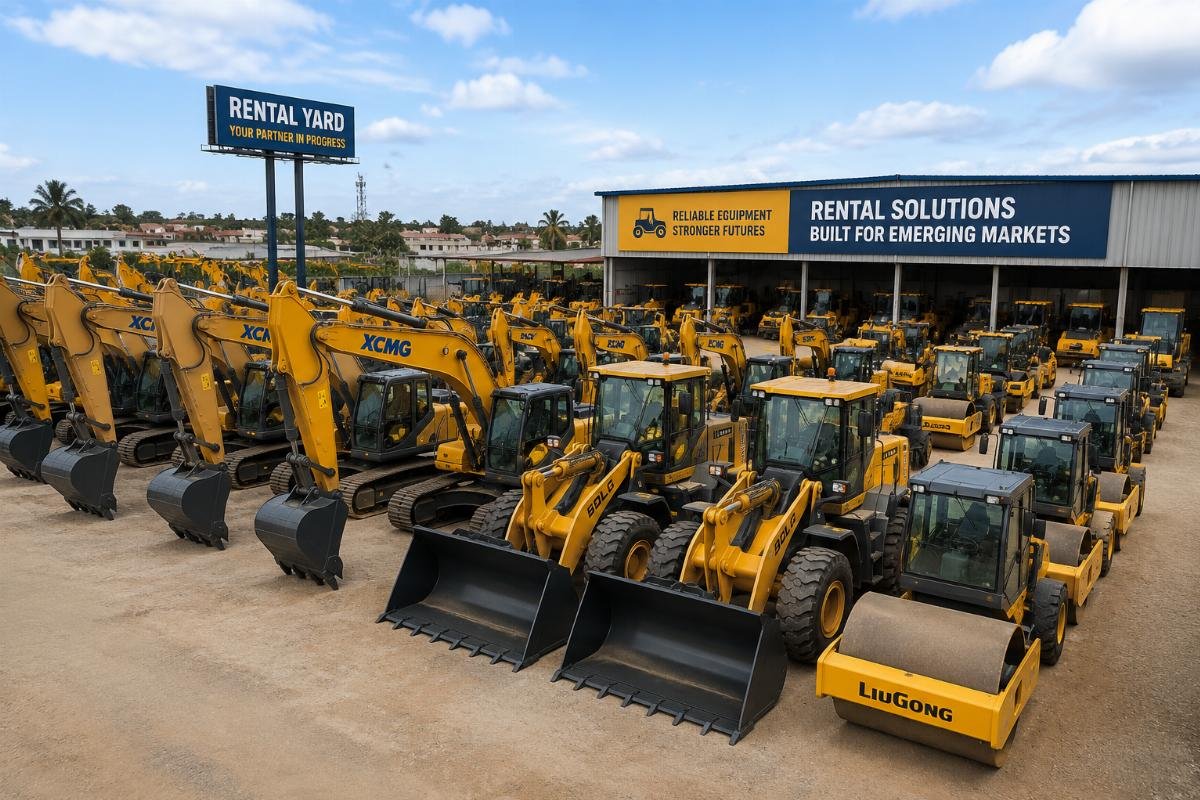
A rental operator based in Jakarta building a road construction-focused fleet in 2023 initially planned to buy a mix of unbranded local excavators and used Komatsu units to cut upfront costs, but shifted to a standardized fleet of 12 core units ranging from 3 to 20 ton excavators and 3 to 6 ton wheel loaders with 92% of common wear parts shared across all machines. The uniform parts standardization cut their annual average fault response time to under 3.5 hours, and their first-year utilization rate hit 89% compared to the regional average of 62%. [NEED_CITE: Standardized parts compatibility across a rental fleet reduces average fault resolution time by 68% in tropical Southeast Asian operating conditions]

- Audit Local Project Demand First – Map the last 12 months of local construction project tender data to identify the 3 most common project types in your operating area, and only prioritize equipment that serves those segments.
- Calculate Total Cost of Ownership – Do not base purchasing decisions on upfront price alone; factor in 3 years of projected spare parts costs and downtime losses for each candidate equipment model.
- Avoid Niche Overinvestment – Skip specialized heavy equipment for rare large-scale mining or infrastructure projects unless you have a signed, multi-year rental contract in hand to cover the purchase cost.
How to Select Core Equipment Categories to Match Local Construction Demand
Prioritize equipment that serves the 70% of local small and medium construction projects, and avoid overinvesting in underutilized heavy units. Trying to cater to every possible project type will spread your startup capital too thin, and leave you with multiple pieces of equipment that only get rented once every 6-12 months.
| Project Segment | Common Misaligned Selection | Recommended Core Selection |
|---|---|---|
| Southeast Asia Road Works | Mix of 5+ different equipment brands with no part overlap | 3-20 ton excavators and 3-6 ton wheel loaders with uniform part standards |
| African Mining Operations | Standard on-road dump trucks that fail in high-dust high-heat conditions | 20-100 ton payload off-road dump trucks and heavy-duty wheel loaders with dust-sealed components |
| Latin America Rural Infrastructure | Bulk purchase of 20+ units to qualify for bulk discount | Small-batch multi-order model with 1 unit minimum order quantity per category |
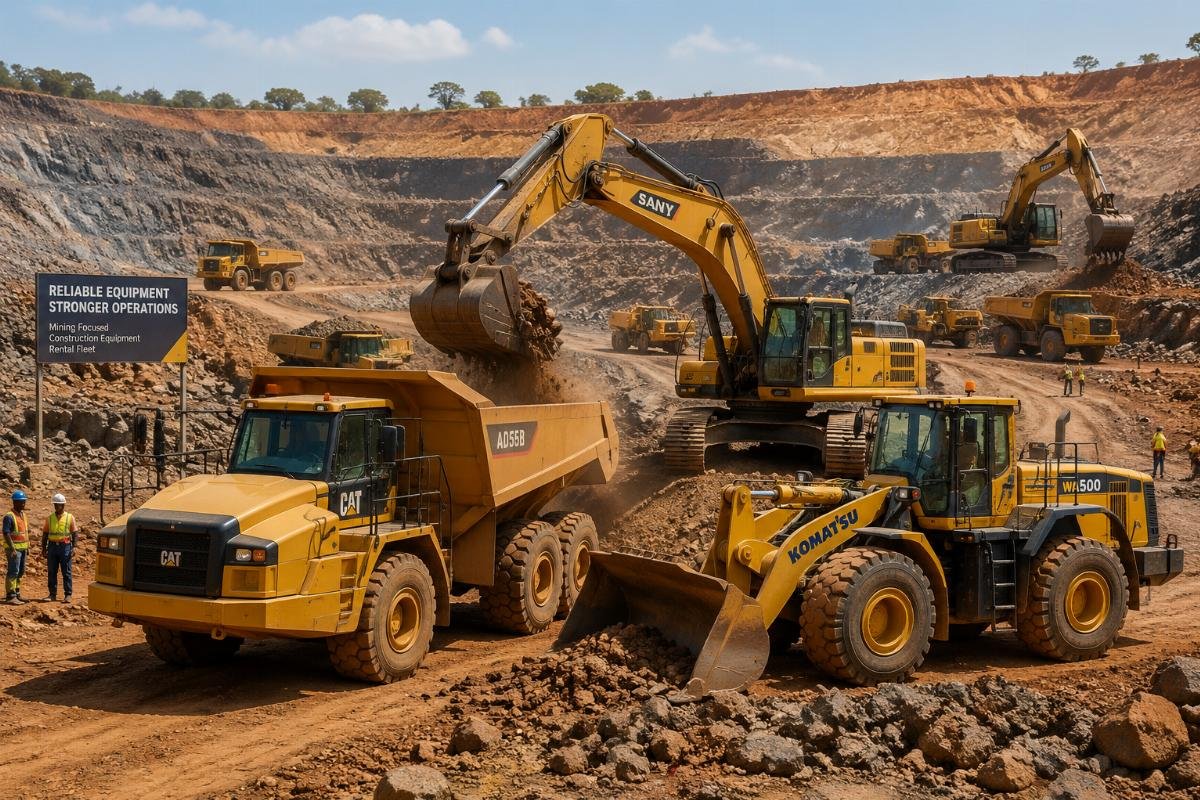
A fleet operator based in Accra building a mining support rental fleet in 2022 selected a line of heavy-duty off-road dump trucks and wheel loaders calibrated for 45+ degree operating temperatures and constant dust exposure, and the fleet recorded a 37% longer mean time between failures than the regional industry average, allowing them to undercut competitors on long-term rental contracts while maintaining 22% higher profit margins. A separate operator in Bogota used a 1-unit minimum order model to build an initial 8-unit fleet for rural municipal projects, and hit full payback on their initial investment in 17.5 months, 6 months faster than the regional average. [NEED_CITE: Purpose-built equipment for harsh high-heat high-dust conditions increases mean time between failures by 35% for African mining rental fleets]
- Map Project Type to Equipment Ratios – Allocate 60-70% of your initial budget to the two most common local project types, and reserve 30-40% for secondary high-demand equipment categories.
- Apply Quantified Selection Thresholds – For high-heat regions, require a minimum 50-degree Celsius operating rating; for mining applications, specify a minimum IP65 dust protection rating for all core hydraulic components.
- Use Flexible Ordering Terms – Avoid bulk purchase commitments that lock you into more units than you can rent out in your first 6 months of operation.
What Makes a Fleet Setup 40-60% Cheaper Without Sacrificing Durability
Skipping multi-layer import distribution layers and partnering directly with a full-line Chinese construction equipment manufacturer is the fastest way to cut fleet costs without cutting build quality. Many operators assume that Chinese-made equipment is lower quality than premium EU or Japanese brands, but units with full CE and EPA certification meet global safety and performance standards at a fraction of the purchase price.
| Pricing Model | Common Costly Approach | Cost-Effective Alternative |
|---|---|---|
| Brand Sourcing | Import from regional distributors with 3 levels of middleman markup | Source directly from factory with no intermediate distribution layers |
| Order Terms | Commit to 20+ unit bulk orders to access nominal discount tiers | Use 1-unit minimum order terms to test demand before scaling |
| Part Compatibility | Mix 4+ different brands with no shared spare parts | Use a single manufacturer’s full product line for 90% parts commonality |
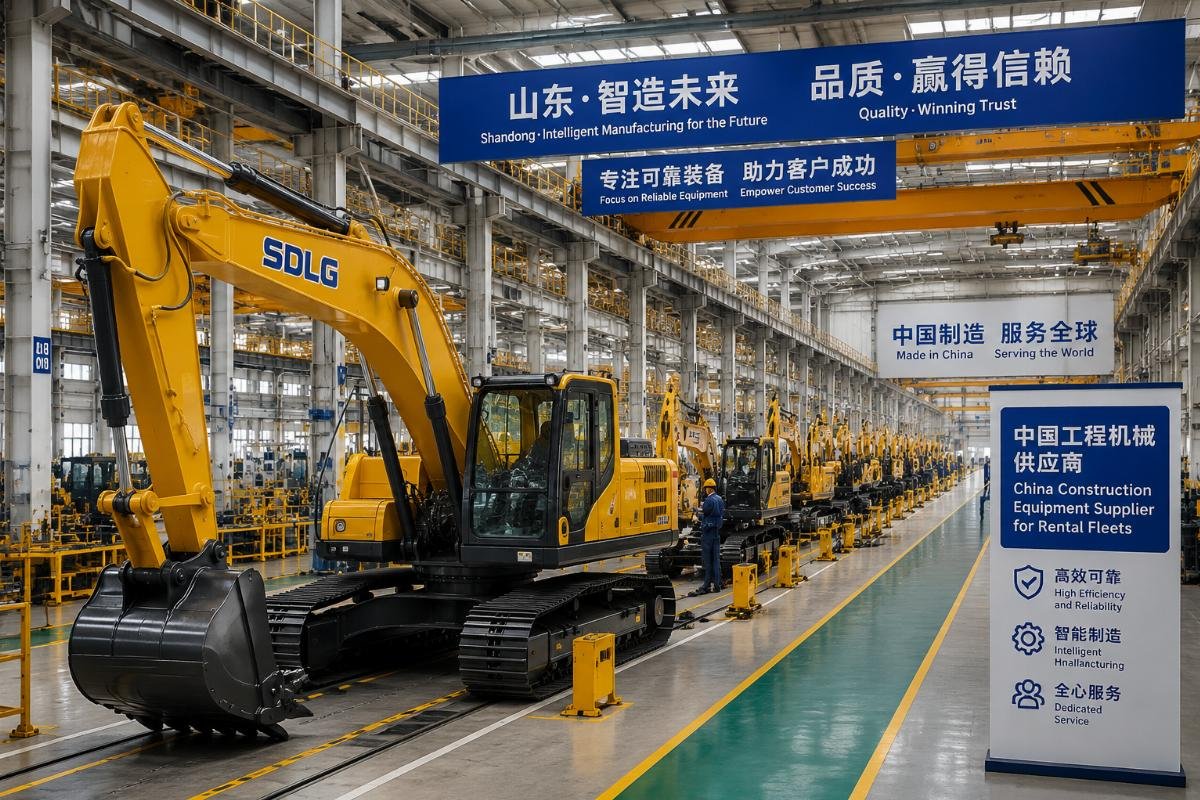
A regional fleet operator in Dubai previously ran a fleet of Caterpillar units, but switched to a full line of CE and EPA certified Chinese construction equipment with a local on-site spare parts warehouse in 2021, and recorded a 98% customer satisfaction rate post-switch while cutting their total fleet replacement cost by 52%. Viceni, a China-based construction machinery manufacturer with 15+ years of export experience to 120+ countries, offers 1-unit minimum order flexibility, a full lineup of 6 core equipment categories covering excavators, loaders, dump trucks, and more, and a standardized parts system across all their product lines for consistent cross-unit compatibility. [NEED_CITE: Direct factory sourcing from qualified Chinese construction equipment manufacturers reduces fleet setup costs by 40-60% compared to premium European and Japanese brands]
- Verify Certification Credentials – Confirm all candidate suppliers hold valid CE and EPA certification for all equipment models you intend to purchase.
- Negotiate Part Supply Terms – Lock in a maximum 7-day spare parts delivery window for all non-local stock components in your initial supply contract.
- Leverage Flexible Order Terms – Start with a small initial fleet of 8-12 units, and scale up incrementally as you lock in recurring rental contracts.
Conclusion
**The highest ROI strategy for building an emerging market rental fleet rejects both the "cheapest
