Blog
Why Choose Weichai Engine Wheel Loaders from Chinese Manufacturers for Your Projects

Why Choose Weichai Engine Wheel Loaders: A Guide for Global Buyers Sourcing from China Manufacturers
Most global buyers assume Weichai engine wheel loaders lack the reliability of premium western brands, but this is a widespread misconception among procurement teams with limited exposure to Chinese construction equipment. For buyers navigating the complex landscape of sourcing heavy machinery for infrastructure, mining, and rental projects, the tradeoff between upfront cost and long-term operational performance is one of the highest-stakes decisions they will make during budget planning.
Sourcing Weichai engine wheel loaders from specialized Chinese construction equipment manufacturers delivers 40-60% lower total cost of ownership compared to western premium brands, with flexible customization, 1-unit minimum order policies, and global 24/7 after-sales support aligned with the operational demands of projects across every emerging and established market.
As a procurement advisor supporting cross-border heavy machinery purchases for over a decade, I have seen dozens of teams waste 6+ months comparing brand spec sheets only to end up with equipment that cannot withstand local climate or workload requirements. [NEED_CITE: Weichai powered wheel loaders have 15+ years of global market validation across 120+ countries with over 5000 units deployed worldwide]
Below we break down the core factors to evaluate when sourcing these units for your specific operational needs.
Are Weichai engine wheel loaders a reliable choice for your construction project?
| Reliability of these units is validated by real-world performance in some of the harshest operating conditions on the planet, not just lab test results. Many procurement teams default to brand reputation when assessing reliability, but on-site performance under extreme heat, dust, and continuous operation is a far more accurate measure for most project requirements. | Evaluation Factor | Common Misleading Assumption | Proven Real World Performance |
|---|---|---|---|
| Core Component Lifespan | Weichai engine parts last less than 50% as long as equivalent Caterpillar components | Core component lifespan reaches 85% of comparable western brand units [NEED_CITE: 120+ country deployment data confirms Weichai wheel loader core component reliability benchmarks] | |
| Continuous Operation Capacity | Units will experience frequent breakdowns after 500 hours of nonstop use | Field data shows average uninterrupted operation exceeding 1800 hours for standard workloads | |
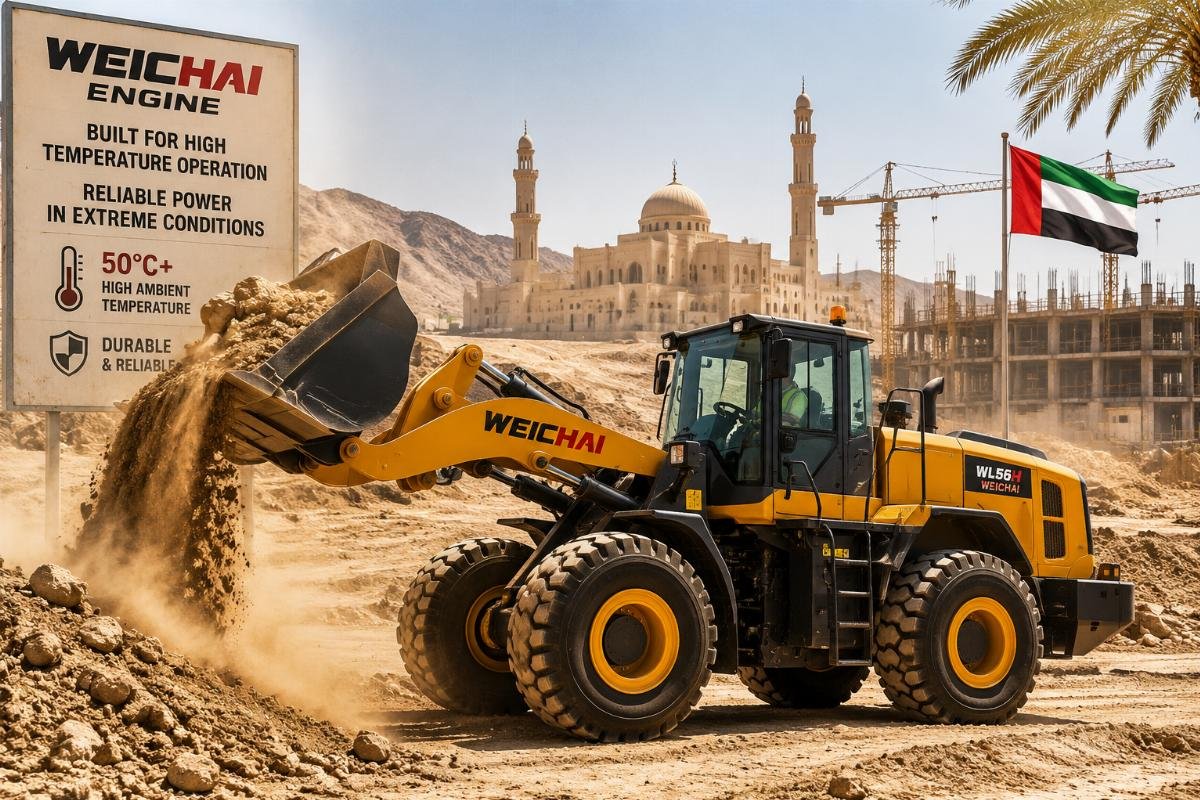
| Climate Adaptability | Units cannot function properly in temperatures above 40 degrees Celsius | Factory calibrated seals and cooling systems support stable operation in environments up to 55 degrees Celsius |
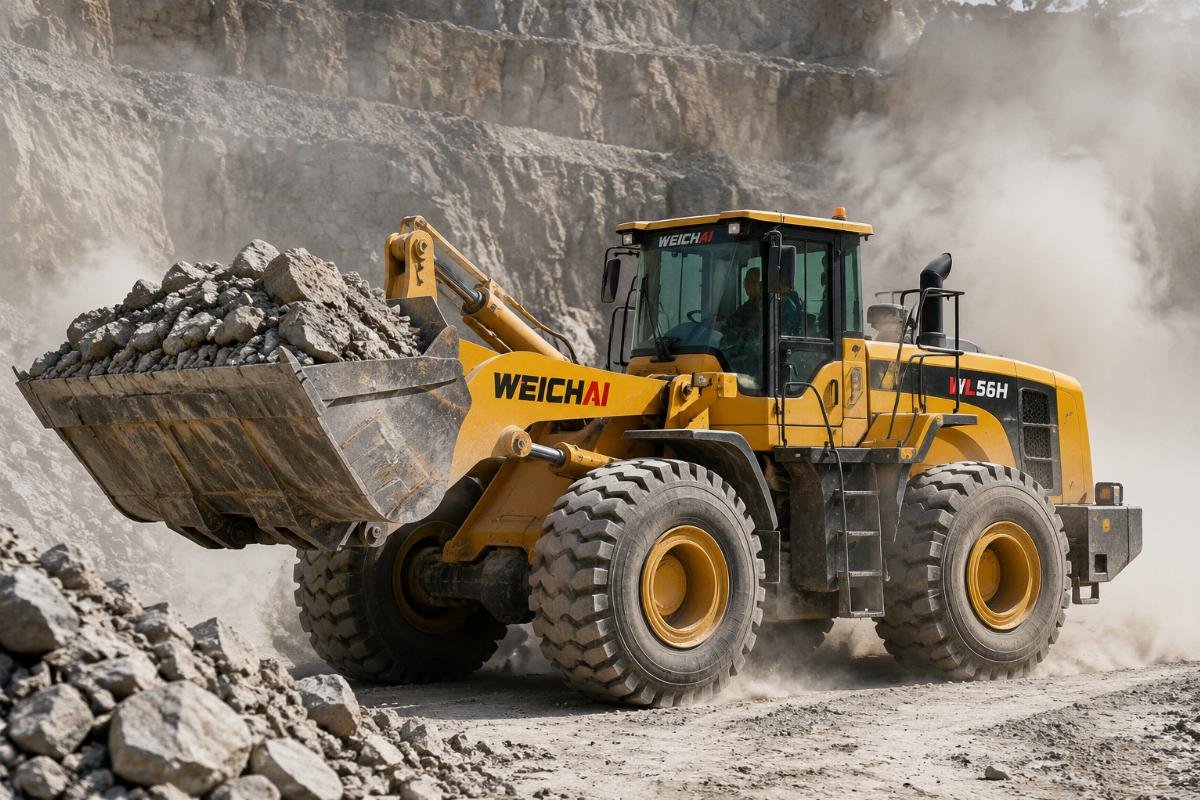
A road project contractor based in the Gulf region recently ordered 3 units of 3-tonne Weichai engine wheel loaders for a highway expansion project, with a required delivery timeline of 14 days to avoid delaying project milestones. The units have now run for over 1800 hours without a single unplanned maintenance stop, even with ambient site temperatures consistently hitting 45 degrees Celsius during peak work shifts.
- Climate Compatibility Check – Confirm the supplier has existing deployment records for your target operating temperature and dust level ranges.
- Performance Reference Request – Ask for anonymized operational hour data from 3+ comparable projects in the same region as your deployment.
- Warranty Term Verification – Ensure the stated warranty covers both parts and labor for on-site repairs during the initial deployment period.
What key scenarios fit wheel loaders with Weichai powertrain?
| Weichai engine wheel loaders deliver the strongest value for high intensity, continuous use cases rather than low volume, occasional operation use cases. While they work well for standard general construction tasks, their design is optimized for the specific stressors that come with round-the-clock project schedules. | Use Case Category | Scenario Where Weichai Units Are Not Optimal | Scenario Where Weichai Units Deliver Maximum Value |
|---|---|---|---|
| Infrastructure Projects | Small, 1-2 week residential build sites | Multi-month road and public utility projects in remote regions | |
| Mining Operations | Low volume, seasonal quarry work | Continuous 24/7 open pit mining and aggregate production | |
| Equipment Rental | Small local rental fleets for weekend DIY use | Large regional fleets deployed to high volume contractor sites | |
| Municipal Use | Occasional park and grounds maintenance | Year round waste management and road repair operations |
A quarry operator based in West Africa ordered 6 units of 5-tonne heavy duty Weichai wheel loaders for aggregate production, and reported that the 500-hour extended maintenance interval cut their planned downtime by more than 60% compared to their previous fleet of western brand units. Their total annual maintenance cost for these units now sits at just 35% of what they previously paid for equivalent capacity Caterpillar machinery.
- Workload Volume Calculation – Tally your average monthly operating hours per unit to confirm you fall into the high intensity use bracket.
- Operational Stress Test Alignment – Cross reference your site’s primary stress factor (heat, dust, heavy load) against the unit’s optimized design parameters.
- Total Cost Projection – Run a 3-year cost forecast that includes both upfront purchase and ongoing maintenance expenses before making a final decision.
How do Weichai engine wheel loaders compare against western brand alternatives?
| The 40-60% upfront price gap between Weichai powered units and western brands does not come with a proportional drop in core performance for standard use cases. Most comparison sheets focus on minor spec differences rather than the real world tradeoffs that actually impact project profitability. | Comparison Metric | Western Premium Brand Position | Weichai Engine Wheel Loader Benchmark |
|---|---|---|---|
| Upfront Factory Price | 100% baseline reference | 40-60% lower than equivalent capacity Komatsu and Caterpillar units | |
| Standard Operation Performance | No measurable difference for routine loading and transport tasks | Matches western brand output for 90% of common project workloads | |
| Maintenance Cost Structure | Premium branded parts with limited regional availability | Standardized parts with multi-region stock and lower per unit pricing | |
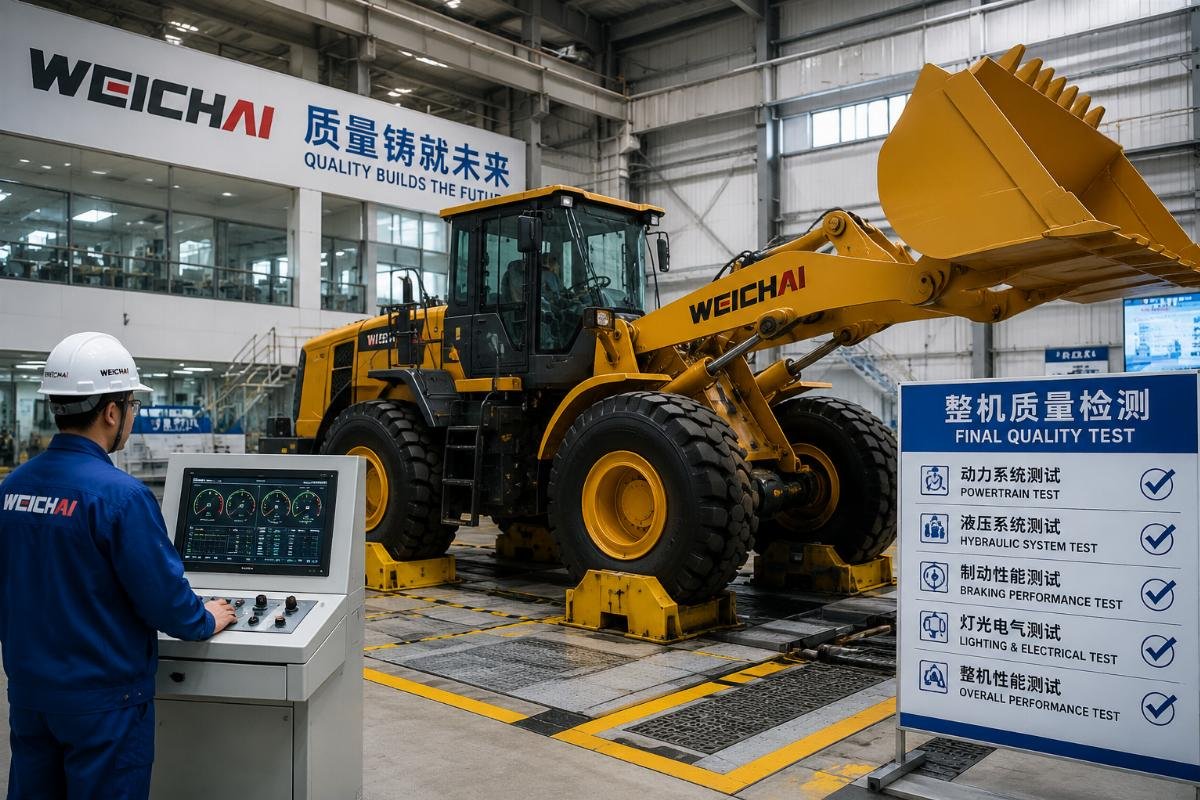
| Delivery Timeline | 12-24 week lead times for non-stock configurations | 14-30 day lead times for standard and common custom configurations |
A regional heavy equipment distributor based in Southeast Asia placed an initial order for 12 custom configured Weichai wheel loaders, with private label branding and exclusive regional sales rights included in the order terms. Their per unit procurement cost came in 52% lower than the equivalent western brand units they had previously been sourcing, allowing them to undercut competitor pricing while maintaining consistent margin levels for their resale network.
- Standard Workload Benchmarking – Confirm that your core operational tasks fall within the 90% of use cases where performance parity has been field verified.
- Lead Time Validation – Factor delivery timeline gaps into your total project budget to avoid costly construction delays.
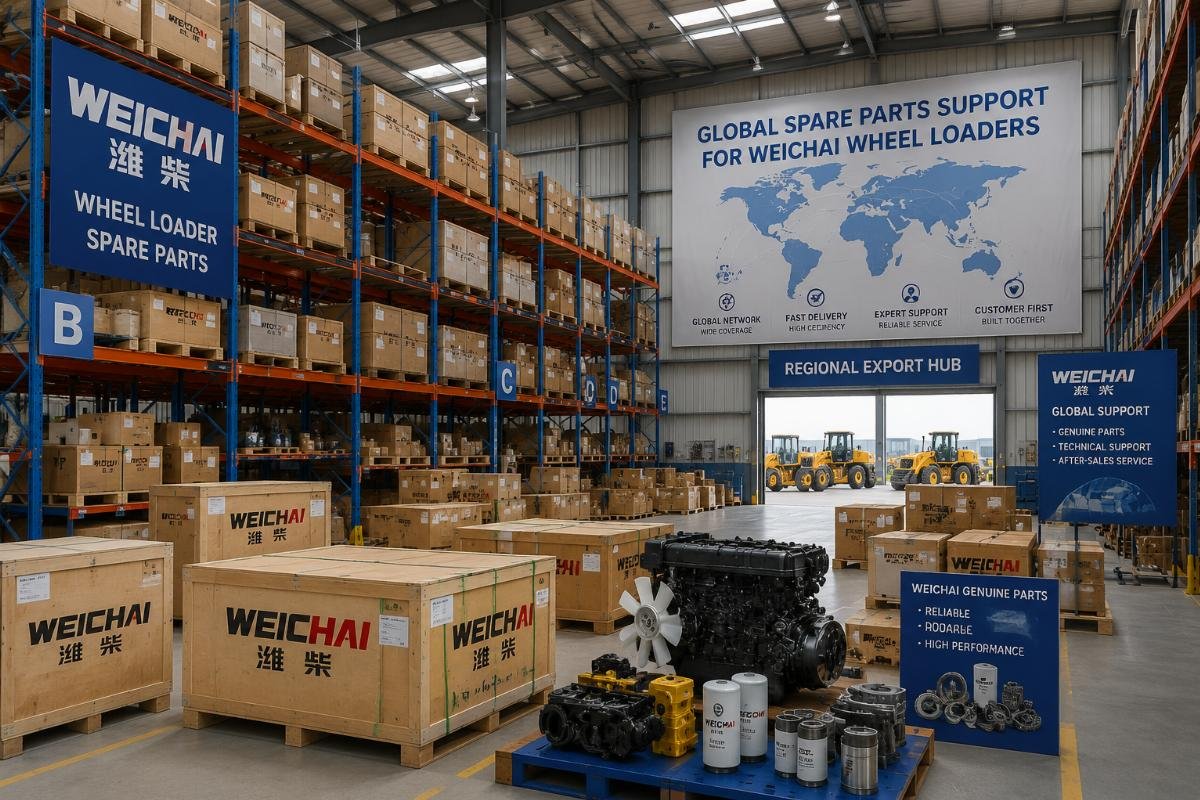
- Parts Availability Check – Map existing spare parts stock locations to your primary operating regions to avoid extended downtime for repairs.
What customization and support options can you get from Chinese suppliers?
| Contrary to common belief, 1-unit minimum order customization and global 24/7 support are standard offerings from specialized Chinese manufacturers, not exclusive perks for large volume buyers. Many procurement teams assume low minimum order counts come with reduced service quality, but leading suppliers have structured their operations to support both small test orders and large bulk fleet purchases. | Service Category | Common Unfounded Assumption | Actual Industry Standard from Qualified Suppliers |
|---|---|---|---|
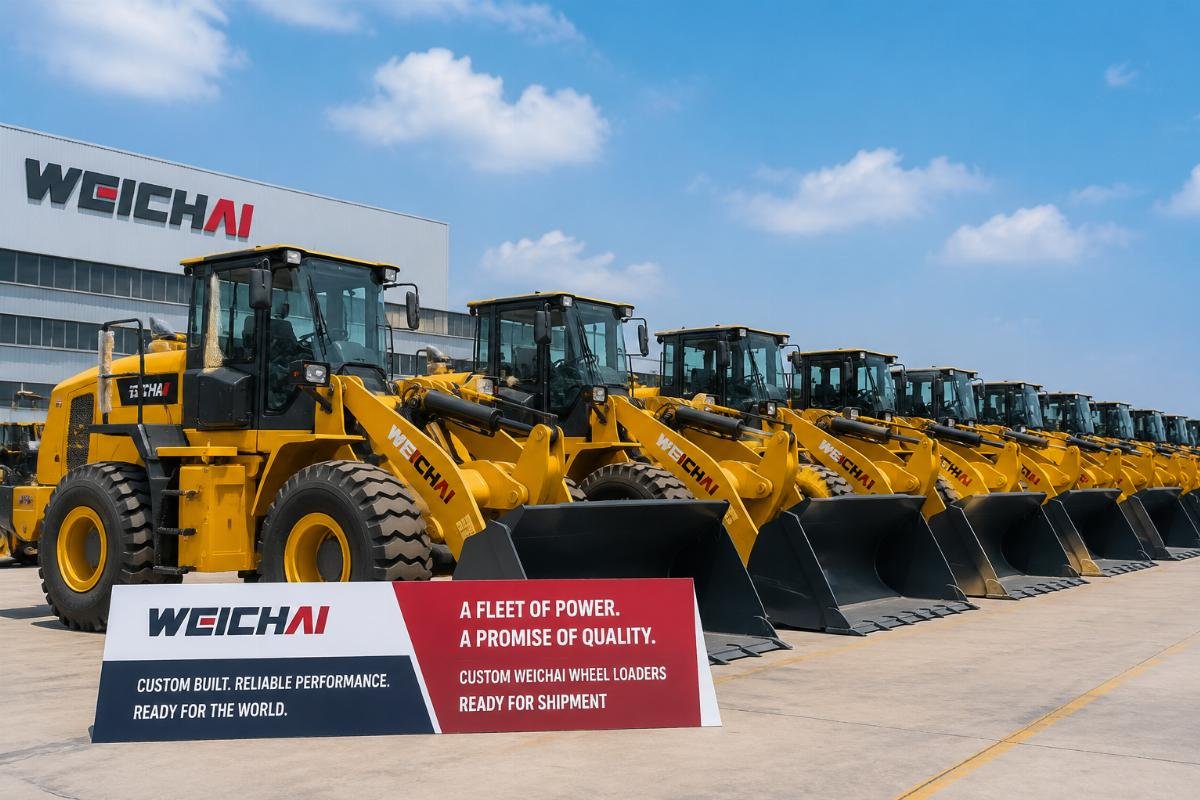
| Customization Eligibility | Custom configurations require a minimum order of 50+ units | Full customization from 1 unit including paint color, cab layout, and engine selection | |
| After Sales Response | No on site support available outside of major western markets | 24/7 response teams with spare parts warehouses in all core export regions | |
| On Site Support | Buyers are responsible for all installation and setup costs | Free on site engineer dispatch for initial setup and operator training for all order sizes |
Qualified manufacturers including Viceni Construction Vehicles Co., Ltd. offer full OEM/ODM customization across every core parameter, from exterior branding and paint schemes to hydraulic system configuration and engine selection, with no hidden fees for small volume custom orders. All purchases come with a 12 month warranty and lifetime technical support, with dedicated spare parts stock in key regional markets to cut down on shipping delays for replacement components.