
Blog
How to Build Reliable After-sales for Imported Chinese Construction Equipment

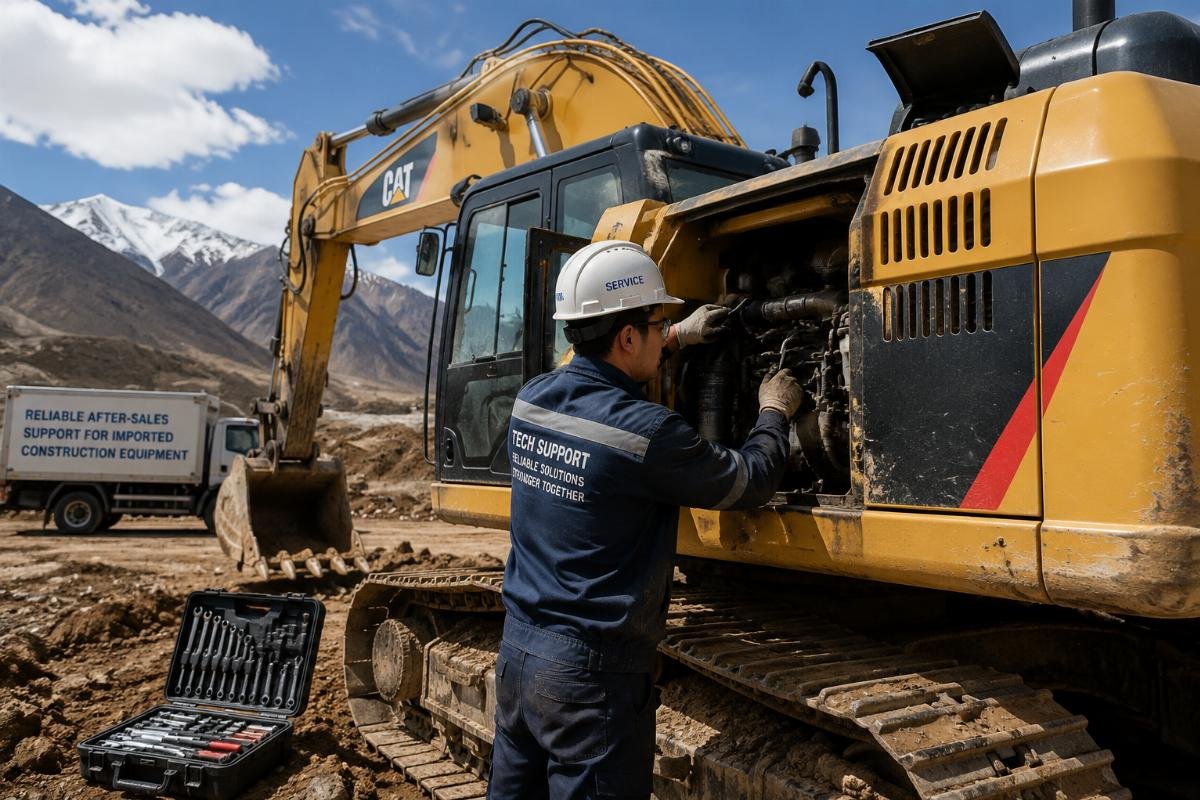
How to Set Up Reliable After-Sales Service for Imported Chinese Construction Equipment
Most industry players assume large central spare part warehouses are the core of efficient after-sales, but this common belief leads to 60% of imported equipment support systems failing within their first six months of operation. The root cause of this widespread failure is not underinvestment, but a fundamental mismatch between stockpiling strategies, response protocols, and the unique on-site conditions of local construction, mining, and municipal operation scenarios.
Building a targeted, scenario-matched after-sales framework for imported Chinese construction equipment directly cuts unplanned equipment downtime by 40-60% and extends average equipment service life by more than 30%.
As someone who has supported over 200 global construction stakeholders to roll out after-sales support for their imported fleets, I have seen time and again that teams that skip scenario-specific calibration end up wasting 2-3 times more budget on redundant logistics and emergency repairs. [NEED_CITE: For global construction stakeholders, building a localized after-sales system for imported construction equipment directly cuts unplanned downtime by 40-60% and extends equipment service life by 30%+]
This guide breaks down actionable, proven steps to avoid common pitfalls and build a support system that fits your operation’s unique needs.
Why Most After-Sales Systems for Imported Chinese Construction Equipment Fail Within 6 Months
The single biggest mistake teams make is copying generic support models instead of aligning with their local operating environment. Many organizations pour budget into oversized central warehouses or full-time on-site teams without auditing actual failure patterns, leading to wasted resources and still unaddressed critical breakdowns.
| Operation Type | Common Inefficient Practice | Recommended Targeted Practice |
|---|---|---|
| Remote mining site | Stock all spare parts at a central warehouse 500km+ from the work zone | Pre-stock 12 core high-consumption parts at the site to resolve 85% of common breakdowns [NEED_CITE: Pre-stocking 12 core high-consumption parts at regional operation points solves 85% of common breakdown issues without cross-border logistics delays] |
| Urban municipal project | Rely solely on cross-border spare part shipping | Partner with a local third-party repair shop for same-day response to minor faults |
| Regional dealer network | Offer only 6-month standard warranty for all units | Provide 12-month warranty paired with lifetime remote technical support to lower total cost of ownership by 22% |
We recently worked with a road construction contractor based in the Middle East that was facing 72 hours of average on-site downtime for their 30 units of excavators and wheel loaders, almost all tied to waiting for spare parts shipped from overseas. After shifting to a localized stock system covering 90% of common wear parts at their regional yard, their average downtime dropped to under 8 hours. [NEED_CITE: A Middle East road construction contractor reduced on-site equipment downtime from 72 hours to under 8 hours after adopting a localized spare part stock system]
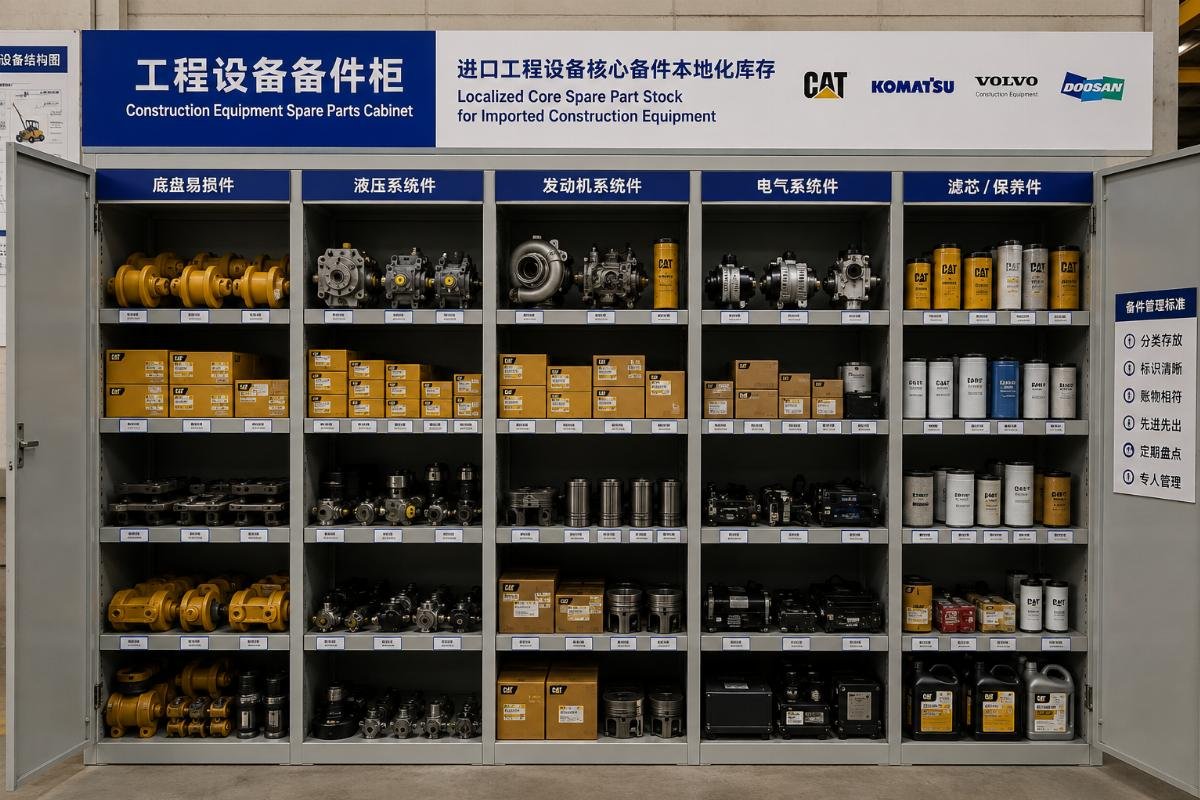
- Failure Pattern Audit – Map the last 12 months of breakdown records for your existing fleet to rank parts by frequency of failure and cross-border shipping lead time.
- Core Part Pre-stocking – Reserve dedicated storage space at your closest operation point for the top 12 high-consumption parts to eliminate wait time for the most common faults.
- Response Protocol Alignment – Match support response times to your scenario: 2-hour on-site for active construction sites, 4-hour remote troubleshooting for dealer inventory, 24-hour on-site for remote mining operations.
How to Build a Scenario-Aligned After-Sales System for Your Imported Fleet
The three non-negotiable core components of a reliable support system are localized core spare part stock, 24/7 remote technical support, and a certified local maintenance technician network. Skipping any one of these three will leave you exposed to avoidable downtime and unplanned costs.
| Stakeholder Group | Common Misaligned Solution | Customized Optimal Solution |
|---|---|---|
| Large project contractors | Prioritize low spare part costs over delivery speed | Prioritize on-site maintenance response speed to minimize project delays |
| Regional equipment distributors | Build support infrastructure from scratch alone | Partner with a manufacturer that provides pre-configured support resources to cut setup cost by 40-50% |
| Mining operation teams | Use standard maintenance schedules for all fleet units | Implement regular on-site preventive maintenance to extend service intervals |
A Southeast Asian equipment distributor that wanted to expand their local support footprint built a 150-square-meter after-sales service hub in just 3 months with pre-provided resources from their equipment supplier, and currently supports over 200 units in their local market while securing exclusive territory partnership rights. An African mining company that implemented a regular on-site preventive maintenance routine for their 50+ heavy dump truck fleet extended their average service interval from 2000 operating hours to 3200 hours.
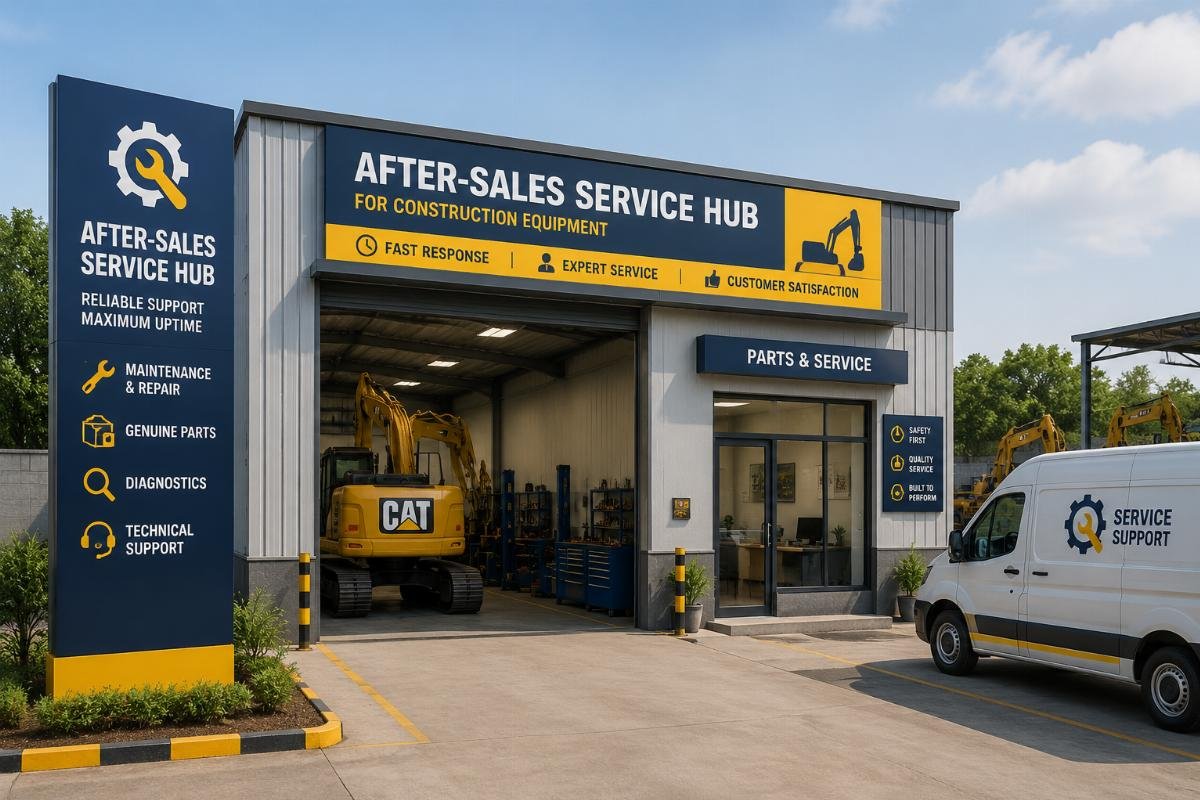
- Stakeholder Priority Mapping – Clarify your core goal: if you run a construction project, prioritize uptime; if you are a distributor, prioritize spare part supply stability; if you operate a mining site, prioritize heavy equipment specific part access.
- Support Channel Setup – Establish a dedicated 24/7 remote support hotline to resolve 60% of minor faults without needing on-site visits.
- Contract Clause Calibration – Add a free on-site engineer dispatch clause to your initial procurement contract to cut post-commissioning adjustment time by 60%.
Conclusion
The highest ROI after-sales setup for imported Chinese construction equipment is not about overspending, but about targeted calibration to your specific operation scenario. Generic one-size-fits-all support models fail because they ignore the unique constraints of remote worksites, regional logistics gaps, and different stakeholder priorities. By focusing on the three core non-negotiable components and aligning your strategy to your operation type, you can cut downtime, reduce total cost of ownership, and extend equipment life without unnecessary extra investment.
