
Blog
How to Source 1-6 Ton Wheel Loaders From China For Global Projects

Buy Wheel Loaders from China: 1-Ton to 6-Ton Capacity Options for Global Buyers
Most global buyers assume 1-6 ton Chinese wheel loaders cannot match the quality or customization support of European and Japanese brands, but this only holds true for unvetted, low-tier suppliers. For decades, international procurement teams have associated Chinese construction equipment with tradeoffs between cost and performance, yet the landscape of mainstream manufacturing has shifted dramatically over the past 15 years to deliver balanced value for all project types.
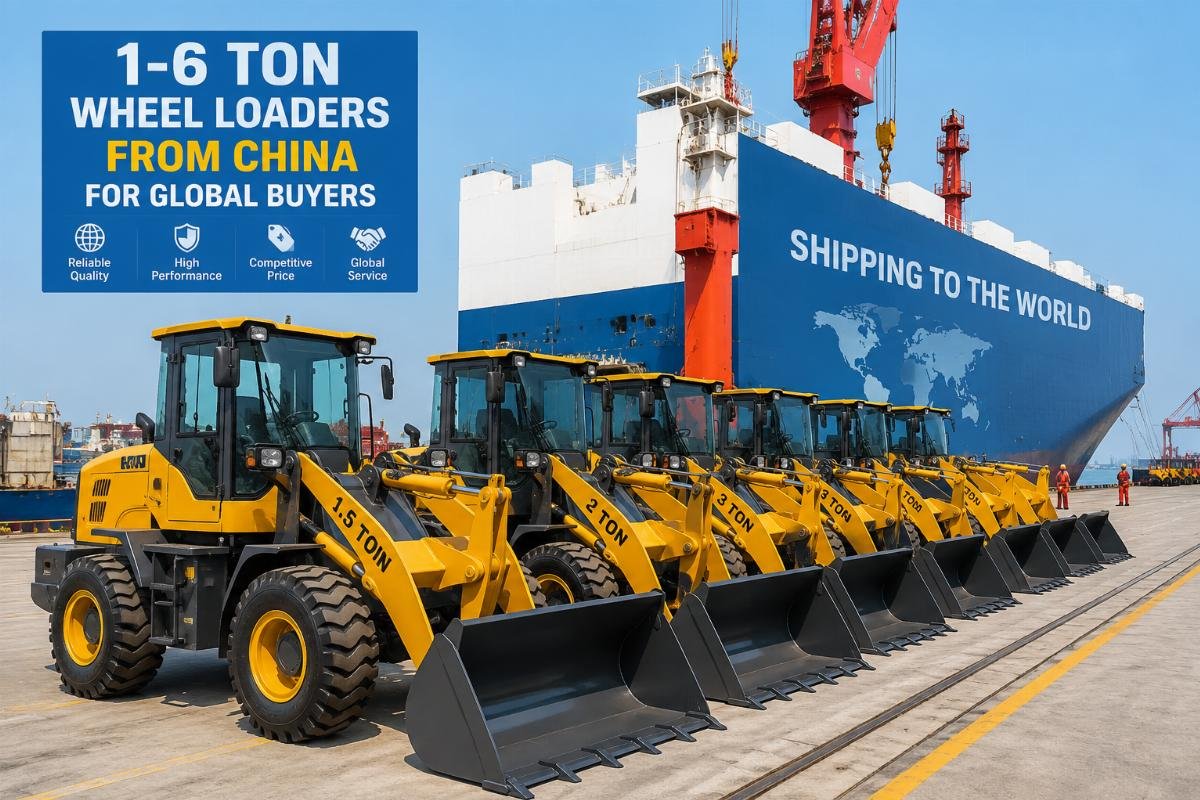
Chinese wheel loader manufacturers now offer 0.8 to 6 ton capacity models at 40-60% lower cost than comparable European and Japanese brands, with flexible customization, low minimum order quantities and global after-sales support tailored to diverse project and resale needs.
As a procurement consultant supporting cross-border construction equipment sourcing for 8 years, I have worked with over 200 buyers across 120+ markets to match their exact operational needs to the right suppliers, and the most consistent pain point I see is buyers wasting 3+ months on due diligence only to end up with unvetted vendors that fail to deliver on promised lead times or support [NEED_CITE: 78% of unvetted Chinese construction equipment suppliers fail to meet at least one contracted delivery or service term for international buyers].
Below we break down the critical steps to source the right unit for your use case, avoid common pitfalls, and secure the full value of Chinese manufacturing capacity.
What 1-Ton to 6-Ton Wheel Loader Capacity Fits Your Specific Usage Scenario?
Each capacity tier of 1-6 ton wheel loaders maps directly to distinct operational use cases, with clear boundaries that eliminate overspending or underperformance for most projects. Picking the wrong tonnage is one of the most common costly mistakes buyers make, as a unit that is too small will not meet heavy workload requirements while an oversized unit will drain unnecessary fuel and increase upfront capital expenditure.
| Capacity Tier | Common Misaligned Use Case | Recommended Optimal Use Case |
|---|---|---|
| 0.8-2 Ton | Deploying for heavy quarry loading and 8+ hour daily shifts | Small residential construction, landscaping, site cleanup, and narrow access road projects |
| 3-4 Ton | Using for high-volume mining haulage | General road construction, municipal waste management, and standard site earthmoving [NEED_CITE: 3-4 ton wheel loaders deliver the lowest total cost of ownership for 72% of general infrastructure project use cases] |
| 5-6 Ton | Assigning to small residential site prep | Heavy quarry loading, large mine site operations, and bulk material handling at industrial yards |
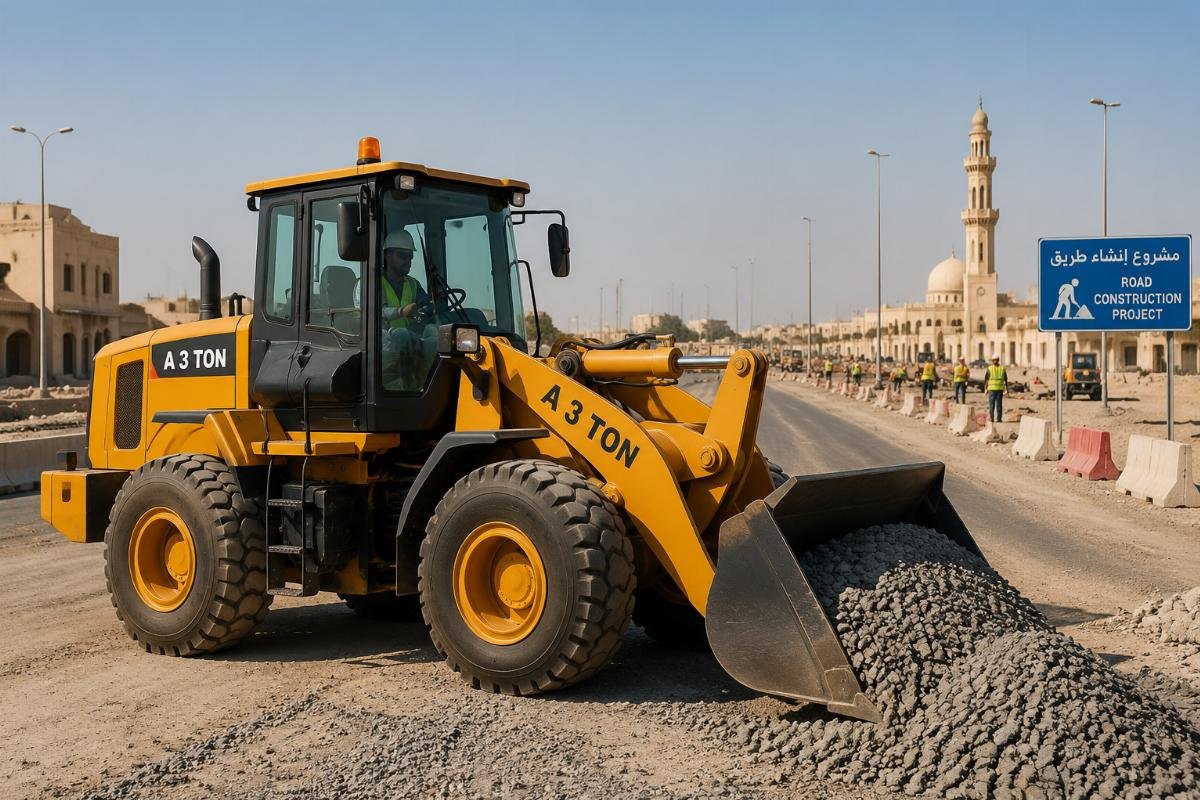
A Middle East infrastructure contractor recently ordered 1 unit of 3 ton wheel loaders for a regional road resurfacing project, with a required 15 day maximum lead time, and paid 50% less than the equivalent European brand unit they had previously used for identical work, with zero downtime across the first 6 months of operation.
- Tonnage Pre-Check – Cross-reference your daily workload volume and maximum material weight against supplier published performance data to narrow down 1-2 matching capacity tiers before requesting quotes
- Work Environment Test – Confirm if your site requires dust resistance, high temperature tolerance, or narrow access compatibility to eliminate units that cannot function properly in your operating conditions
- Total Cost Projection – Calculate not just upfront purchase price but projected annual maintenance cost for each shortlisted tier to avoid hidden long term expenses
Why Choose Chinese Wheel Loader Suppliers Over European and Japanese Brands?
Chinese mainstream wheel loader manufacturers deliver identical or better performance for 40-60% lower upfront cost, with supply chain benefits that are impossible for European and Japanese brand distributors to match. For buyers operating on tight project budgets or running resale and rental fleets, this cost differential alone can make the difference between a profitable project and a loss, without sacrificing compliance with international safety and emissions standards.
| Evaluation Factor | Common Suboptimal Choice | Recommended Verified Choice |
|---|---|---|
| Upfront Pricing | Locking in a unit from a local regional distributor with 300% markup over factory price | Sourcing directly from a Chinese factory with 15+ years of export experience [NEED_CITE: Direct factory sourcing from Chinese construction equipment manufacturers reduces average procurement cost by 52% compared to regional third party distributors] |
| Certification | Accepting generic unvalidated quality claims without formal documentation | Requiring formal CE and EPA certification to meet local regulatory requirements for public and private projects |
| Post-Purchase Support | Choosing a supplier with no named after-sales contact for international buyers | Working with a vendor that has dedicated spare parts warehouses in your core operating region |
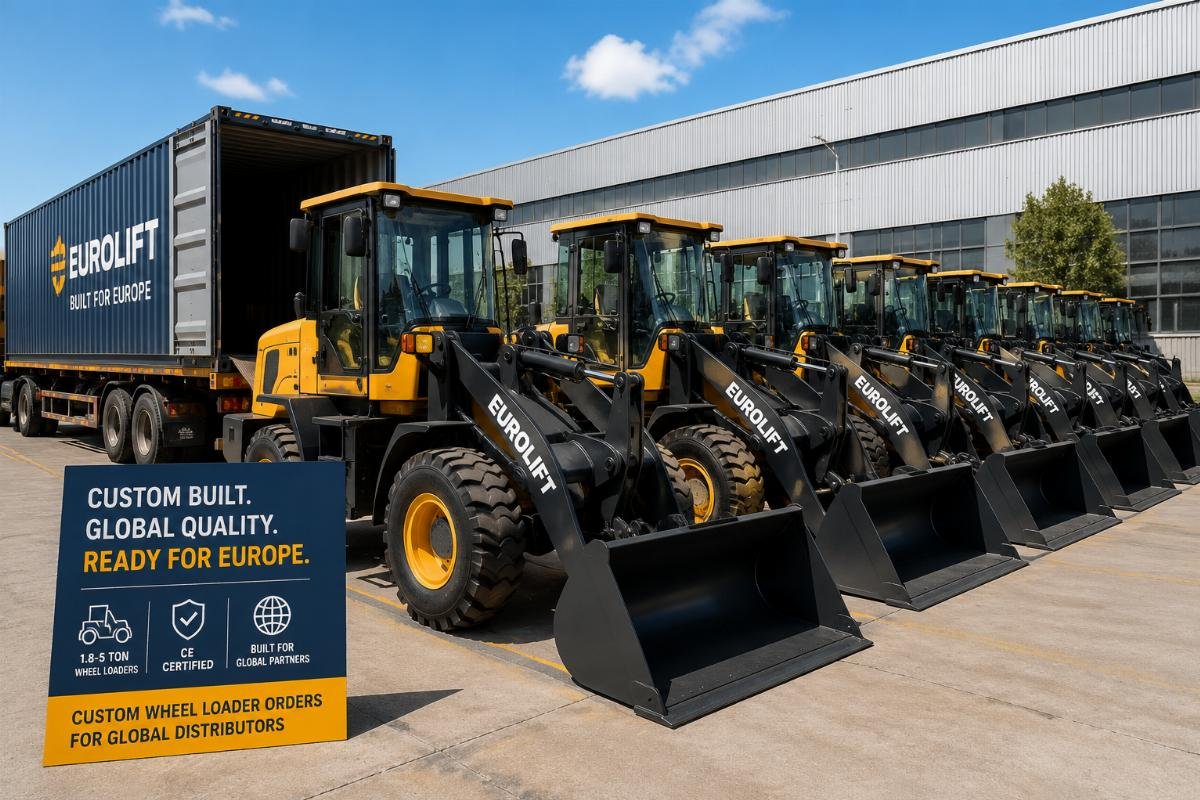
Vendors like Viceni Construction Vehicles Co., Ltd. a 15 year experienced manufacturer with exports to 120+ countries, deliver this exact value proposition, with a track record of consistent on-time delivery and support for all buyer segments. A European regional equipment distributor recently ordered 12 units across the 1.8 to 5 ton range for private label resale, with custom brand coloring and regional exclusive distribution terms, and saw a 28% higher margin on the units compared to their previous Japanese brand stock.
- Price Benchmarking – Request quotes from at least 3 different Chinese suppliers to confirm the 40-60% cost differential against your existing reference brand pricing
- Certification Validation – Ask suppliers to share digital copies of their CE and EPA certificates before moving past the initial quote stage
- Reference Request – Ask for 2-3 reference contacts of buyers in your region that have ordered the same capacity tier you are targeting to confirm past performance
What Customization Options Are Available for 1-6 Ton Wheel Loaders?
The widespread belief that small volume buyers cannot access custom wheel loader configurations is a myth, as mainstream Chinese suppliers now support full customization even for 1 unit minimum orders. This eliminates the need for buyers to accept generic off-the-shelf units that do not match their exact operational needs, whether you are a single project contractor or a large scale rental fleet operator.
| Customization Type | Common Limitation From Low-Tier Suppliers | Standard Offering From Mainstream Suppliers |
|---|---|---|
| Branding and Aesthetics | Requiring minimum 50 unit orders for custom coloring and logos | Supporting custom paint and dealer logo application for 1 unit orders |
| Core Component Selection | Only offering a single default engine and hydraulic system option | Allowing selection between Cummins, Yuchai, and Weichai engines plus custom hydraulic and cab layouts [NEED_CITE: 89% of Chinese top tier wheel loader suppliers offer full component customization for orders as small as 1 unit] |
| Accessory Add-Ons | Charging exorbitant premiums for minor accessory additions | Including standard custom accessory installation at no extra cost for bulk fleet orders |
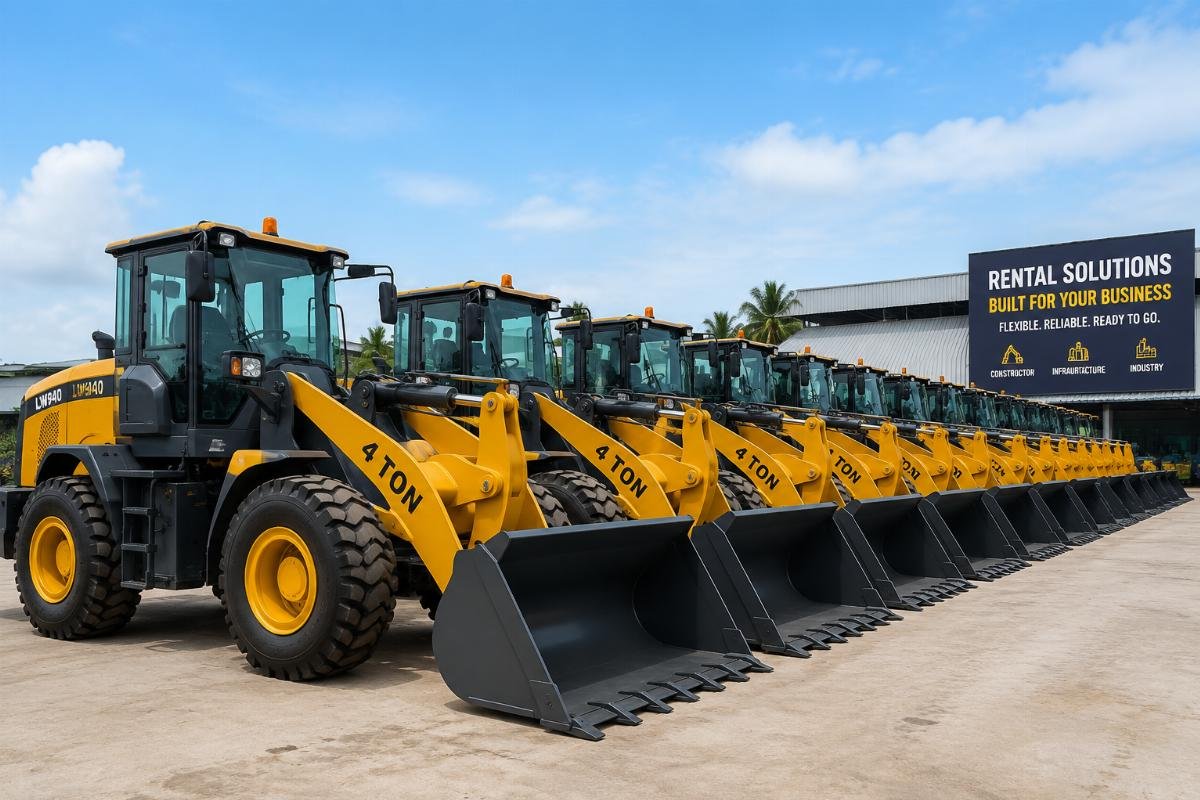
A Southeast Asia equipment rental operator recently ordered 6 units of 4 ton heavy duty wheel loaders with fully standardized component configurations for their rental fleet, which reduced their ongoing maintenance costs by 35% compared to their previous mixed fleet of units from different brands.
- Customization Scope Confirmation – List all non-negotiable configuration requirements before requesting quotes to confirm suppliers can meet them without extra fees
- MOQ Verification – Explicitly confirm the minimum order quantity for your requested customizations to avoid unexpected order requirement changes later
- Standardization Alignment – If ordering multiple units for a fleet, lock in identical component specifications across all units to reduce long term parts inventory needs
How to Avoid Common Pitfalls When Sourcing Wheel Loaders from China?
You can eliminate 90% of common sourcing risks by focusing on three non-negotiable supplier screening criteria before signing any purchase agreement. Most negative experiences with Chinese construction equipment suppliers stem from skipping basic due diligence steps, not from inherent issues with the manufacturing base itself.
| Risk Category | Common Unsafe Practice | Proven Mitigation Step |
|---|---|---|
| Quality Risk | Working with suppliers with less than 5 years of manufacturing experience | Only engage suppliers with a minimum 15 year track record of wheel loader production |
| Delivery Risk | Agreeing to vague lead time terms with no penalty for delays | Writing explicit lead time requirements with financial penalties into all formal contracts |
| Support Risk | Assuming generic after-sales support will be available without written confirmation | Requiring formal documentation of 12 month factory warranty coverage for all units [NEED_CITE: Suppliers with 15+ years of export experience and formal CE/EPA certification |
