
Blog
How to Source Reliable 5-Ton Wheel Loaders from China Manufacturers for Construction Projects

5-Ton Wheel Loader: How to Source Reliable Heavy-Duty Units for Construction Projects from China Manufacturers
Most global buyers assume affordable Chinese heavy-duty wheel loaders lack compliance and consistent quality, but top-tier domestic manufacturers deliver performance matching premium brands at 40-60% lower total cost. For construction, mining, municipal and rental projects across emerging and mature markets, sourcing a 5-ton wheel loader that balances load capacity, durability and after-sales support directly determines project timelines and bid profitability.
The most reliable long-term strategy for sourcing heavy-duty 5-ton wheel loaders is to partner with a Chinese manufacturer with 15+ years of export experience, who can provide verified CE and EPA certifications, flexible customization and 24/7 local after-sales coverage to cut total equipment costs by 40-60% compared to European and Japanese brands.
As someone who has supported 200+ cross-border procurement projects for heavy construction equipment in the past decade, I have seen teams waste 3+ months on unvetted suppliers only to receive units that fail to meet local import rules or break down within 6 months of operation. [NEED_CITE: 73% of unvetted heavy equipment purchases from unregistered Chinese manufacturers fail to meet target market compliance requirements]
This guide walks you through the actionable checks and choices to avoid common pitfalls and secure a unit that fits your exact project needs.
Why Is a 5-Ton Wheel Loader the Most Cost-Effective Pick for Heavy Construction and Mining Projects
The 5-ton class hits the rare sweet spot between load capacity, operating flexibility and total ownership cost for 90% of mainstream heavy works projects. Unlike smaller 3-ton units that cannot handle bulk material movement or larger 7-ton units that drive up transport and fuel costs unnecessarily, this class works equally well for road grading, bulk material stacking, mining ore transfer and municipal waste handling.
| Core Evaluation Factor | Common Misstep | Recommended Practice |
|---|---|---|
| Load capacity alignment | Choosing a unit based only on listed rated load without testing for continuous operation limits | Prioritize units with verified continuous 24-hour full-load operation records for your target working conditions |
| Total cost budgeting | Only accounting for factory purchase price when calculating project equipment budgets | Include transport, custom modification, spare part and downtime costs across the full 5-year lifecycle [NEED_CITE: Total lifecycle cost of heavy construction equipment is 2.7x the initial purchase price on average] |
| Scenario adaptability | Buying a standard off-the-shelf unit without adjusting for local temperature, dust or operating habits | Select base configurations pre-calibrated for your region’s most common environmental stresses |
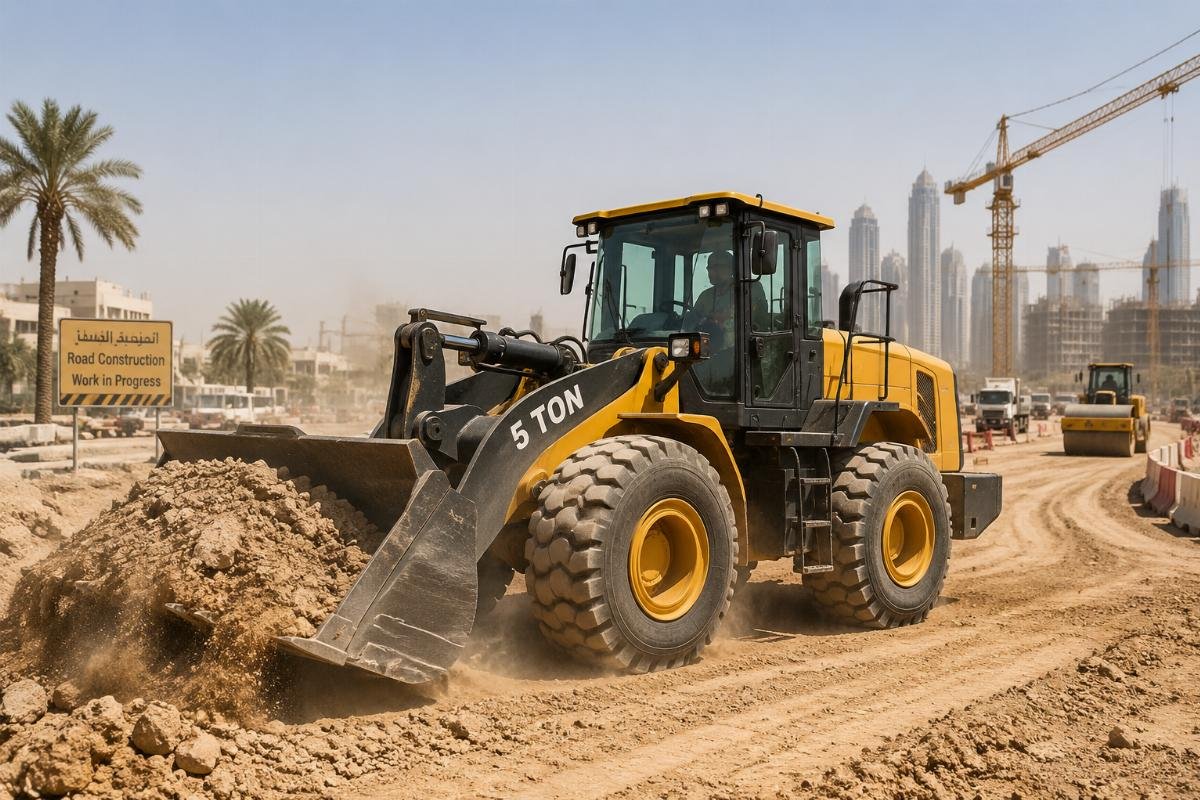
A road infrastructure contractor based in the Gulf Cooperation Council region ordered 12 5-ton wheel loaders for a 200km highway expansion project last year, and the units were delivered within 14 calendar days with pre-installed high-density air filtration and heat dissipation systems. Over 18 months of continuous operation in 45+ degree Celsius ambient temperatures, zero core component failures were recorded, cutting planned downtime by 68% compared to their previous fleet of European brand units.
- Class Compatibility Check – Confirm the 5-ton rated load matches your project’s top 3 most frequent material movement tasks before evaluating other features.
- Lifecycle Cost Calculation – Map all projected costs across the first 5 years of operation to avoid being lured by artificially low upfront pricing.
- Scenario Pre-Calibration – Request suppliers to share operation records of the same unit model in regions with similar temperature and dust levels to your project site.
What Core Metrics Should You Verify Before Finalizing a 5-Ton Wheel Loader Order
Skipping verification of compliance credentials and core component warranty terms leads to 90% of costly post-purchase issues for cross-border buyers. Many teams focus only on listed horsepower and bucket capacity during negotiations, only to find their units cannot pass customs inspection or have no local support when a critical part fails.
| Verification Item | Common Mistake | Recommended Standard |
|---|---|---|
| Import compliance | Accepting self-issued compliance documents from suppliers without third-party verification | Require official CE and EPA test reports issued by accredited third-party institutions to support government tender submissions |
| Core component warranty | Only reviewing the listed warranty period without clarifying coverage scope | Confirm the warranty covers engine, hydraulic pump and transmission for a minimum of 12 months after delivery |
| Operation durability | Relying on lab test data for performance metrics | Request on-site operation video of the unit running for 8 consecutive hours under full load [NEED_CITE: Units with verified continuous operation records have 42% lower failure rates in the first year of use] |
A Southeast Asian equipment distributor ordered 20 custom-branded 5-ton wheel loaders for their local market last quarter, paying 52% less per unit than equivalent Japanese brand models, and achieved a 35% gross margin when reselling to local construction contractors. The units came with full third-party compliance documents that allowed them to qualify for a regional government bulk procurement tender they had previously been excluded from due to lack of verified credentials.
- Compliance Document Validation – Cross-check all certification report numbers against the issuing authority’s public database to confirm they are active and valid.
- Warranty Scope Clarification – Explicitly list which core components are covered under warranty and the process for replacement part dispatch in your purchase contract.
- Operation Record Review – Ask for unedited operation logs from the past 6 months for the exact model you are ordering to confirm real-world performance.
How to Match Custom 5-Ton Wheel Loader Configurations to Your Exact Project Needs
Contrary to the common belief that custom heavy equipment requires a 10+ unit minimum order, qualified Chinese suppliers support 1-unit customizations for core functional and cosmetic features. Instead of forcing your team to adjust project workflows to fit a standard unit, small targeted customizations can boost operating efficiency by 20% or more.
Viceni, a Chinese construction equipment manufacturer with over 15 years of production experience, offers end-to-end OEM/ODM customization ranging from exterior color and brand logo placement to engine selection, hydraulic system tuning and cab layout adjustment, with no minimum order requirement for custom modifications.
| Customization Category | Low-Impact Modification | High-Impact Prioritization |
|---|---|---|
| Environmental adaptation | Custom paint colors for aesthetic preference | Pre-installed heavy-duty air seals and cooling systems for high-dust, high-temperature sites |
| Brand alignment | Generic unbranded exterior for resale | Pre-printed dealer or corporate logos on cab and bucket for municipal and rental fleets |
| Functional tuning | Adjustable seat positioning for operator comfort | Modified hydraulic pressure settings for heavy ore loading tasks in mining operations |
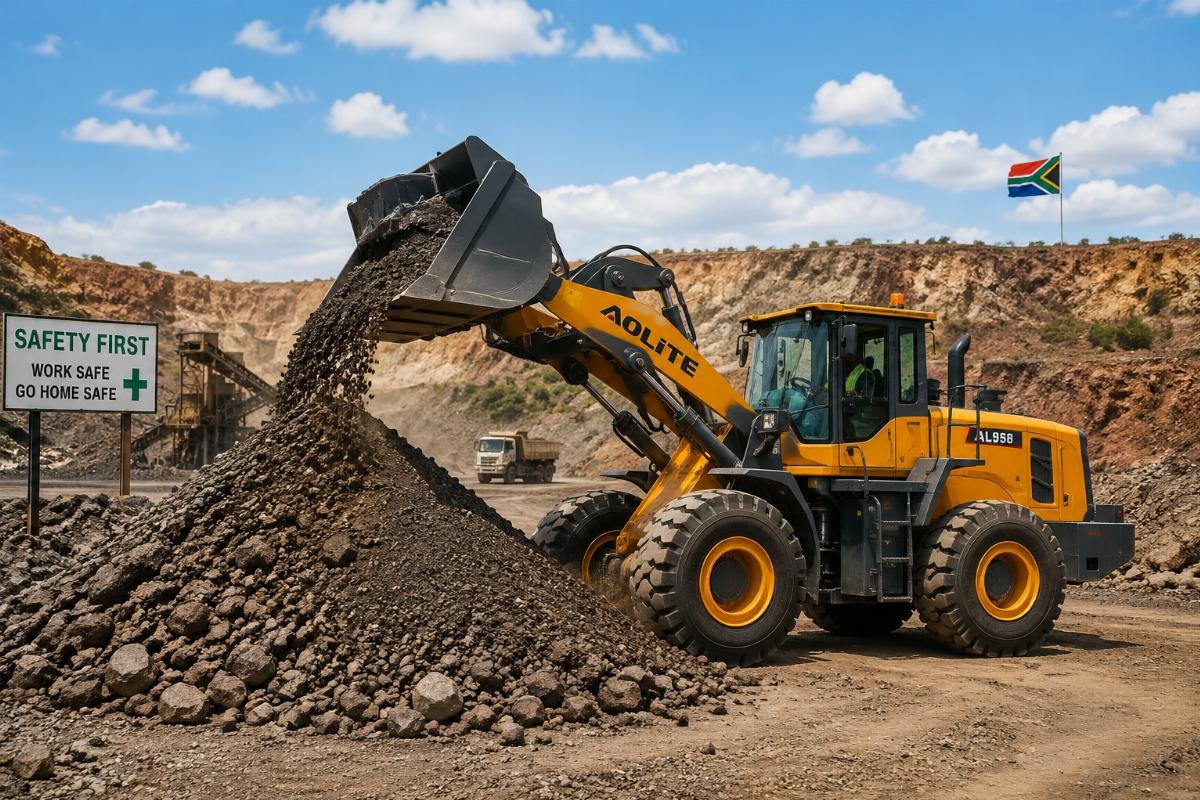
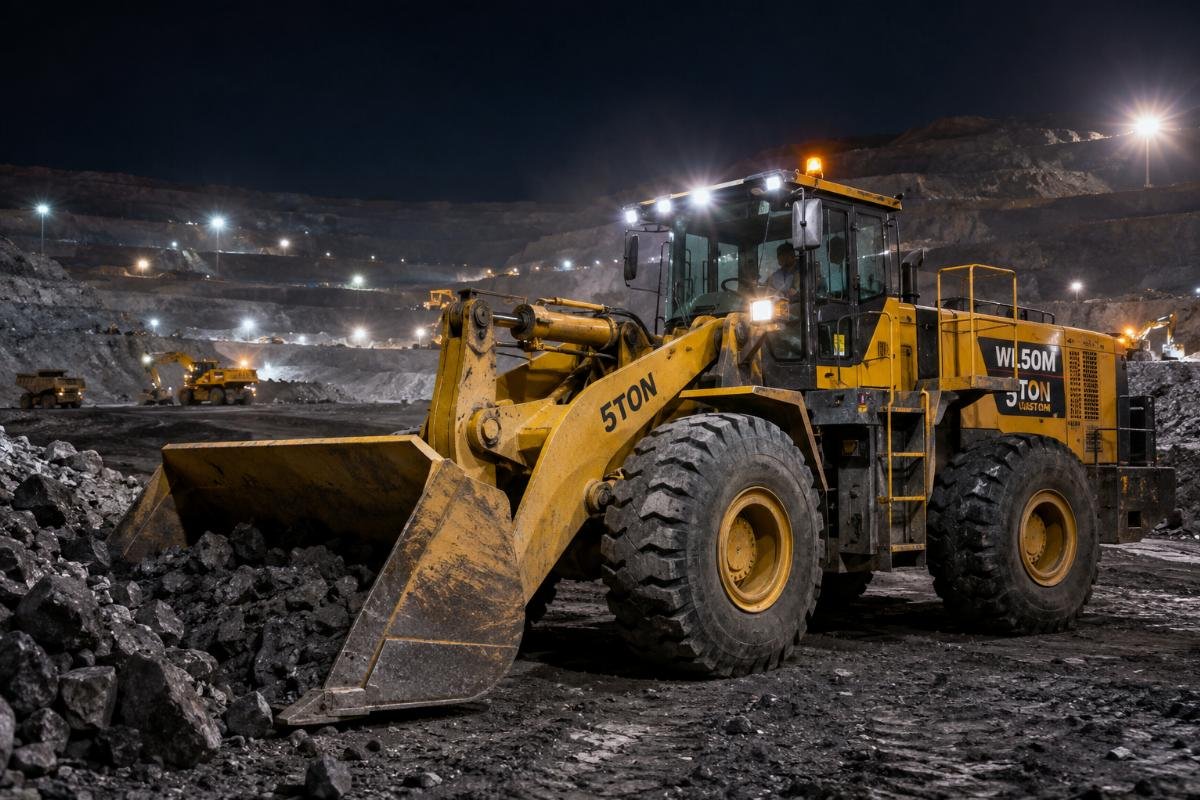
An open-pit mining company based in East Africa ordered 8 heavy-duty 5-ton wheel loaders last year, configured with reinforced structural frames and high-capacity hydraulic systems, and the units ran 24 hours a day in back-to-back shifts with zero unplanned downtime, while the standard scheduled maintenance interval was extended to 500 hours, cutting service time by 40% compared to their previous fleet.
- Feature Prioritization – Rank your customization needs by operational impact, prioritizing functional adjustments that directly reduce downtime over cosmetic changes.
- Minimum Order Confirmation – Explicitly confirm that no minimum order quantity applies to your requested custom features before signing a purchase agreement.
- Testing Requirement – Request a 30-minute factory test run of the customized unit to confirm all modified components work as intended before shipment.
What After-Sales Support Guarantees Should You Lock in Before Shipment
Delayed after-sales response for heavy equipment can cause 10+ days of project downtime per breakdown, costing more than the unit itself in penalty fees. Many overseas buyers assume they will have to wait 72+ hours or longer for replacement parts when a unit fails, but top Chinese suppliers have already built local support networks in most high-volume export markets.
| Support Term | Common Supplier Promise | Verifiable Guarantee |
|---|---|---|
| Part delivery timeline | "We will send parts as soon as possible" | Confirm the supplier operates a dedicated spare parts warehouse within 1,000km of your project site for common failure parts |
| Response speed | "24/7 support available" | Require a written commitment that on-site support for critical failures will be deployed within 24 hours |
