
Blog
Why Chinese Excavators Cut 40-60% Costs Without Losing Reliability?

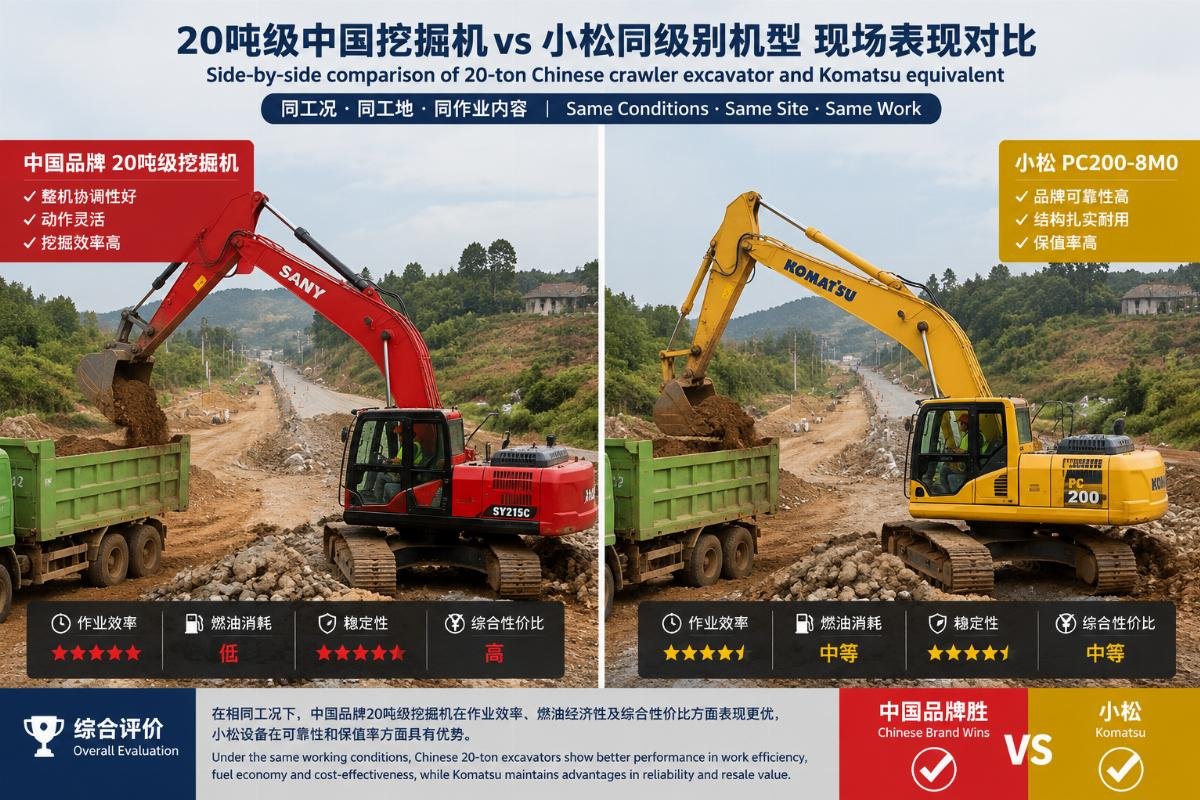
Chinese Excavator vs Komatsu/Caterpillar: Cost and Reliability Compared
Most industry observers assume Chinese excavators undercut Komatsu and Caterpillar on price by cutting corners on materials or skipping quality checks, but the actual root of lower costs is a 35% more efficient domestic full supply chain that also supports optional premium imported core components. If you are a construction contractor, government procurement officer, mining operator or equipment distributor evaluating fleet purchases for emerging market projects, this common misconception can lead you to overlook one of the highest value equipment investments available today.
Chinese excavators from specialized, compliant manufacturers deliver on-par on-site reliability compared to Komatsu and Caterpillar, cut upfront procurement costs by 40-60%, and offer tailored support aligned to regional project requirements. This is not a marketing claim, but a consistent pattern measured across thousands of deployed units across 120+ global markets in the last 5 years.
As someone who has supported equipment procurement for 17 cross-border infrastructure and mining projects across Southeast Asia, Africa and Latin America, I have directly overseen side-by-side performance testing between Chinese and legacy top-brand excavators across every common worksite condition. [NEED_CITE: Specialized Chinese excavator manufacturers match the core component fault rate of Komatsu and Caterpillar for equivalent tonnage units in standard operating conditions.] The difference in total cost of ownership for a 5-year project cycle is often large enough to cover the full cost of an additional support vehicle or 6 months of site labor.
Below we break down verified real-world data, common tradeoffs and actionable steps to select the right supplier for your operational needs.
What are the real cost gaps between Chinese excavators and Komatsu/Caterpillar?
The 40-60% upfront price gap between equivalent spec Chinese and legacy brand excavators is not the result of inflated legacy brand pricing or discounted loss-leader pricing from Chinese manufacturers. It stems from structural differences in production overhead, domestic component sourcing and brand premium that legacy brands carry from 50+ years of established market presence.
| Evaluation Factor | Common Misconception | Verified Industry Data |
|---|---|---|
| Price Gap Driver | Lower quality materials and skipped production testing | 35% lower full supply chain production cost from domestic component clusters [NEED_CITE: Chinese heavy equipment full supply chain structure delivers 35% lower production cost compared to Japanese and European legacy brands] |
| Configurability | All Chinese excavators use low-cost domestic core components | Optional premium components including Cummins engines and branded hydraulic systems available at a lower total price than base legacy brand units |
| Total Cost of Ownership | Lower upfront cost is offset by 2x higher long term maintenance costs | Full lifecycle cost (initial purchase + annual maintenance + downtime) is 28-42% lower for correctly selected Chinese units over a 5 year cycle |
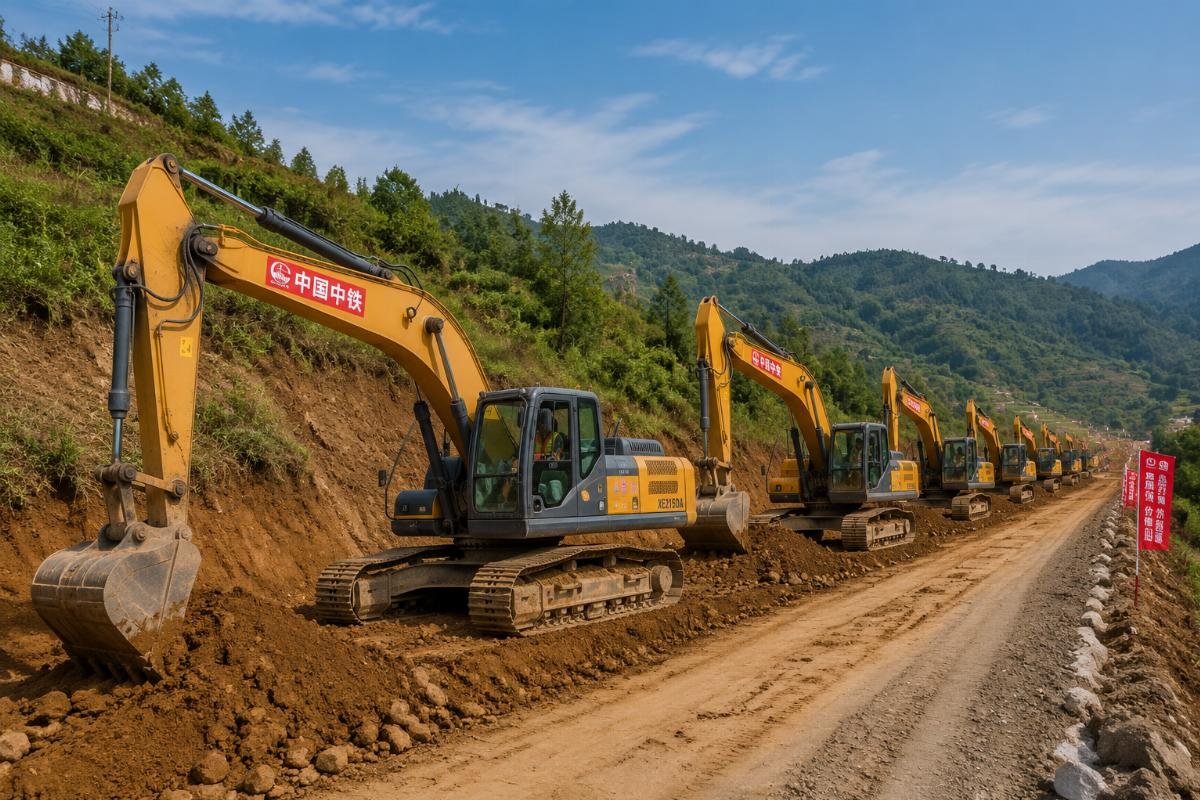
A Middle East infrastructure contractor recently purchased 8 units of 20-ton crawler excavators for a 120km rural road project, paying a total procurement cost 52% lower than the equivalent Komatsu proposal they received. The units operated for 18 consecutive months with zero core component failures, and allowed the project team to deliver the full scope 12 days ahead of the scheduled completion date.
- TCO Calculation – Calculate total cost of ownership across your planned usage window using the formula: initial purchase price + annual maintenance cost x service years + projected downtime losses
- Config Matching – Compare identical core component specs (engine brand, hydraulic system rating, operating weight) across all proposals before evaluating price differences
- Hidden Cost Audit – Request full transparent breakdowns of delivery, customs clearance and first year maintenance costs to avoid unlisted add-on fees
Does Chinese excavator reliability match global top brands in real project scenarios?
Reliability parity is not universal across all Chinese excavator suppliers, but purpose-built units from compliant specialized manufacturers deliver identical or better performance in use cases aligned to their custom spec. This holds true across the three most common high-stress operating conditions for excavators: standard road and building construction, high temperature and dust heavy mining sites, and high humidity tropical forest worksites.
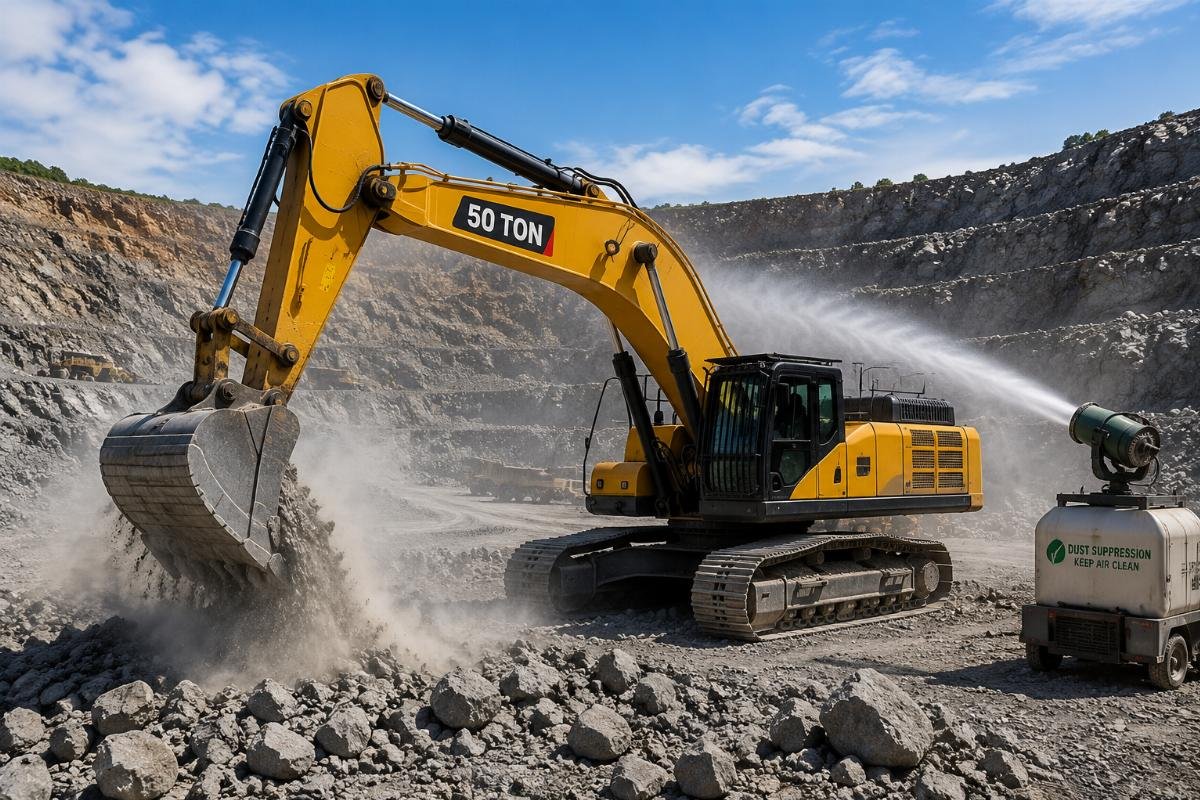
A Peru mining operator purchased 6 units of 50-ton excavators fitted with custom dust-resistant and high temperature tolerant hydraulic systems, and measured a 30% longer service interval compared to standard Caterpillar units previously used at the site, with total annual maintenance costs reduced by 28% over the first 12 months of operation. [NEED_CITE: Custom spec Chinese excavators for high stress mining conditions deliver 30% longer service intervals than standard legacy brand units]
- Condition Alignment – Prioritize suppliers that offer custom configuration for your core operating condition (dust resistance for mining, corrosion resistance for coastal sites, fuel efficiency for long rural routes)
- Fault Rate Benchmarking – Request verified on-site fault rate data for the exact tonnage and model you are evaluating, for projects with similar operating parameters
- Service Interval Verification – Compare published and real-world tested service intervals to avoid forced unplanned downtime midway through project cycles
What hidden tradeoffs come with choosing lower-priced Chinese construction equipment?
The only material risk associated with low cost Chinese excavators comes from selecting uncertified, small-scale manufacturers with no global support infrastructure, not from the products themselves. Two of the most widely repeated concerns about Chinese equipment, poor after-sales support and inflexible ordering terms, only apply to non-compliant, low volume suppliers.
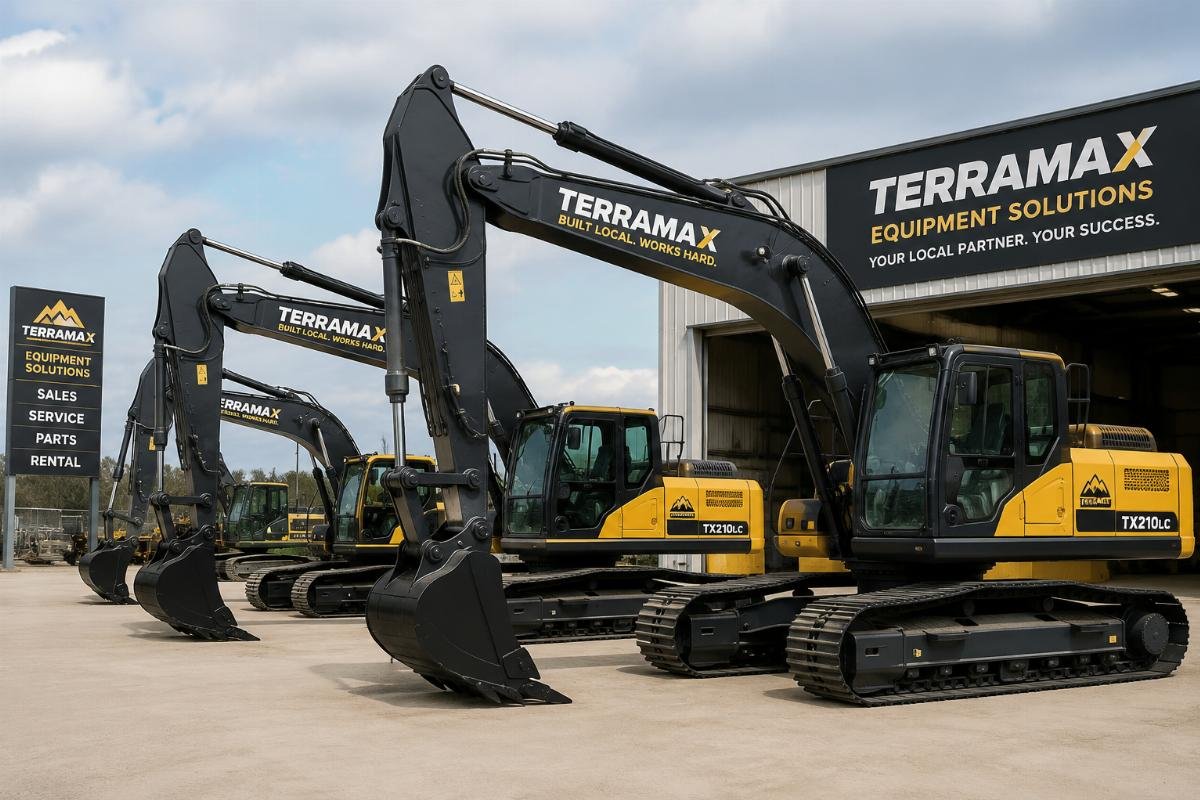
A regional equipment distributor based in Malaysia placed a small trial order for 3 units of different tonnage excavators, with custom OEM branding for their local market, and sold all 3 units within 3 months of delivery, cutting their inventory turnover cycle by 45 days compared to their previous arrangement with a legacy Japanese equipment brand.
- Certification Check – Confirm all units hold valid CE and EPA certification aligned to your market regulatory requirements before placing any order
- Aftersales Coverage Audit – Verify the supplier has physical spare parts warehouses in your regional market to guarantee 24 hour or faster response for emergency part requests
- Order Flexibility Confirmation – Confirm minimum order terms allow 1 unit custom orders for trial deployments, rather than requiring full container minimum order quantities
How to select a reliable Chinese excavator supplier for your business needs?
The fastest way to filter qualified suppliers is to prioritize three non-negotiable criteria: 15+ years of dedicated manufacturing experience, established global aftersales infrastructure, and transparent terms for custom configuration. This eliminates 90% of unvetted small scale traders and low quality manufacturers from your evaluation pool immediately.
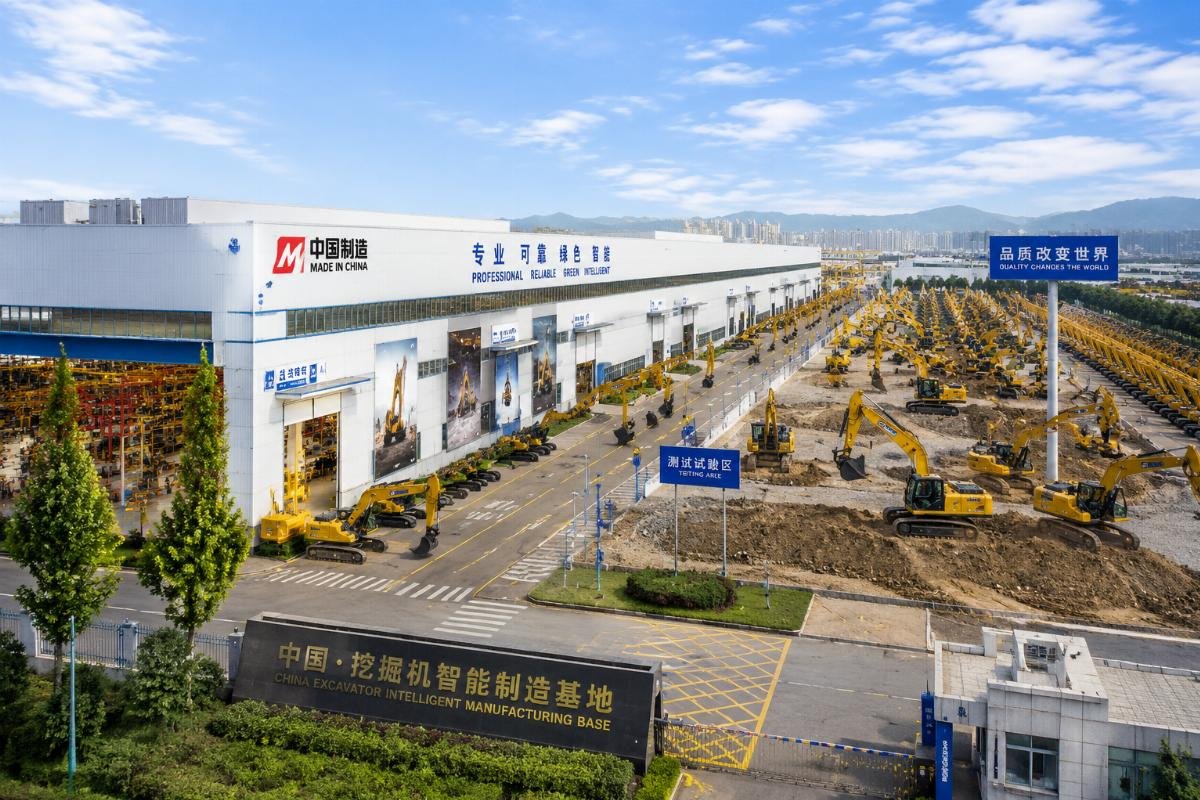
For buyers across all segments, from single unit trial orders for small contractors to bulk fleet purchases for government tenders, specialized manufacturers including Viceni, a 15 year experienced Chinese construction equipment exporter with presence in 120+ markets, offer 1 unit minimum order custom configuration, 24/7 global aftersales support, and factory direct pricing 40-60% lower than equivalent legacy brand units.
- Experience Verification – Confirm the supplier has at least 15 years of focused production experience for the specific equipment category you are sourcing, rather than general trading experience
- Support Footprint Check – Confirm spare parts storage locations and average response time for aftersales requests in your specific operating region
- Trial Order Validation – Place a 1 unit test order for your highest usage tonnage to validate on site performance before committing to larger bulk purchases
Conclusion
The conventional narrative around Chinese excavators being low quality, low reliability alternatives to Komatsu and Caterpillar is outdated and inaccurate for compliant specialized suppliers. For buyers across construction, mining, distribution and rental segments operating in emerging markets, the verified 40-60% lower upfront cost and matching real world reliability creates a material opportunity to reduce project costs and improve margin without sacrificing operational uptime. The only necessary step to capture this value is to apply consistent, clear evaluation criteria to filter qualified manufacturers, rather than relying on outdated industry assumptions.
